Lunges
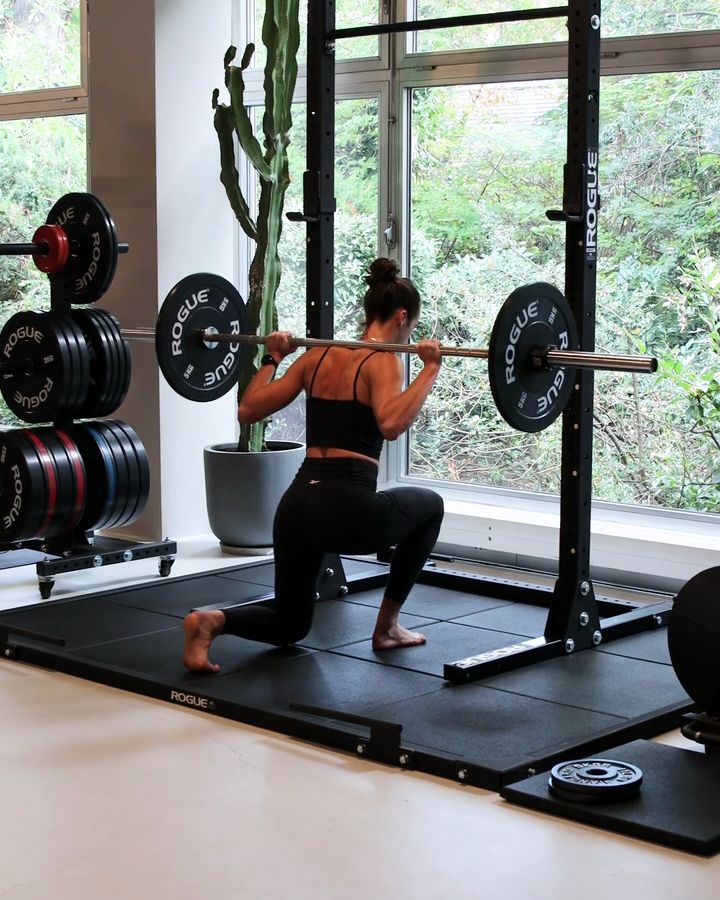
Barbell lunges, also known as barbell lunges, are an effective lower body exercise that provides an ideal way to improve strength and stability. This exercise is suitable for both beginners and advanced practitioners. If you're looking for an exercise that also enhances explosiveness and coordination, jumping lunges are a great alternative.
Necessary equipment
Lunges - the correct execution
- Choose a grip width that is comfortable for you, at least shoulder width.
- Stabilize your shoulders by trying to bend the barbell upwards
- Place the barbell on the delta muscle (neck muscles)
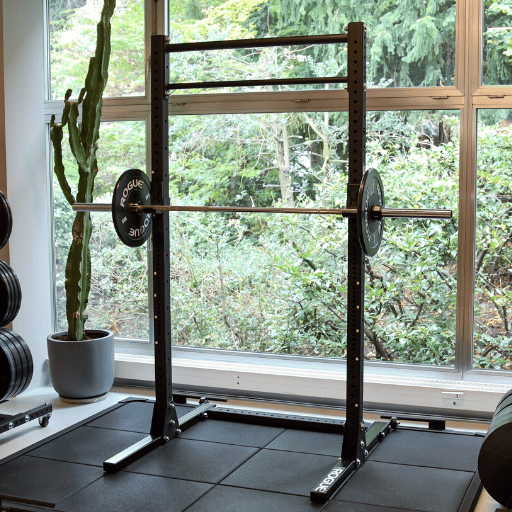
- Lift the barbell from the bar with a stable torso and take a small step backwards
- Put one foot in normal step size backwards
- Lower the back knee towards the floor
- Remain stable and upright in the upper body
- Stretch both legs and bring the leg back to standing position
- Change sides after each repetition
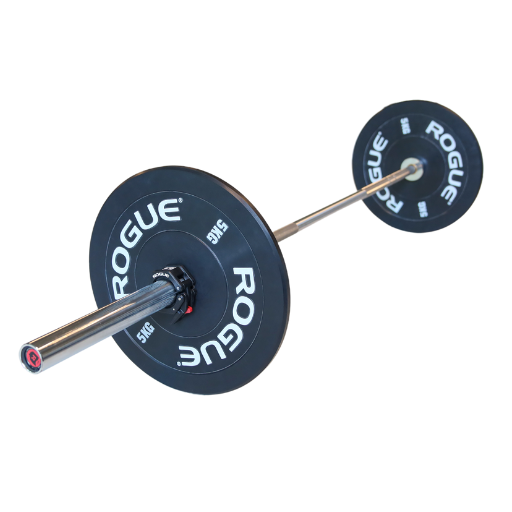
- The training weight for this exercise is the sum of the barbell's own weight and the additional weight plates
The exercise Barbell Lunges is intended to be used as a hypertrophy exercise.
Which muscles are trained by Barbell Lunges?


Primary trained muscles for Barbell Lunges
Glutes - The gluteus maximus is the large muscle in your buttocks. It is important for extending the hip, moving your leg backward, and stabilizing the hip joint.
Calisthenics training, developed by sports scientists and optimized by smart algorithms, for your best workout.
Over 1000 five-star reviews on App Store and Google Play.


Alternative variants of Lunges:
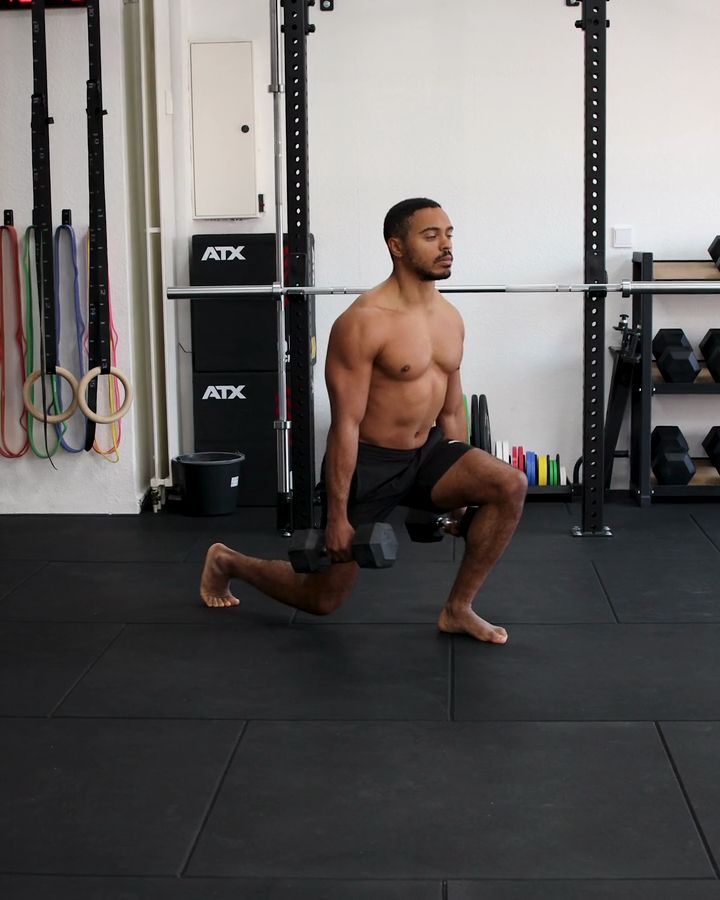
Dumbbell Lunges
Lunges with dumbbells train the same muscles as barbell lunges, but the forearms also have to work to hold the dumbbells. An advantage of dumbbell lunges is that they require less balance because the center of gravity is significantly lower than with barbell lunges. This makes dumbbell lunges easier for beginners to master.
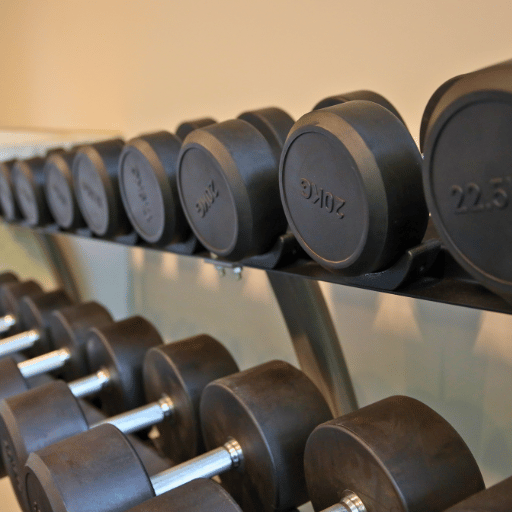
Necessary equipment
Dumbbell Lunges - the correct execution
- Start in a step position with the left leg in front
- Keep the upper body upright
- Bring the right knee to the floor
- The left foot is evenly loaded
- Keep the upper body upright
- Stretch both legs
- The training weight in this exercise is the weight of a single dumbbell. Therefore, train with two dumbbells that weigh the indicated weight.
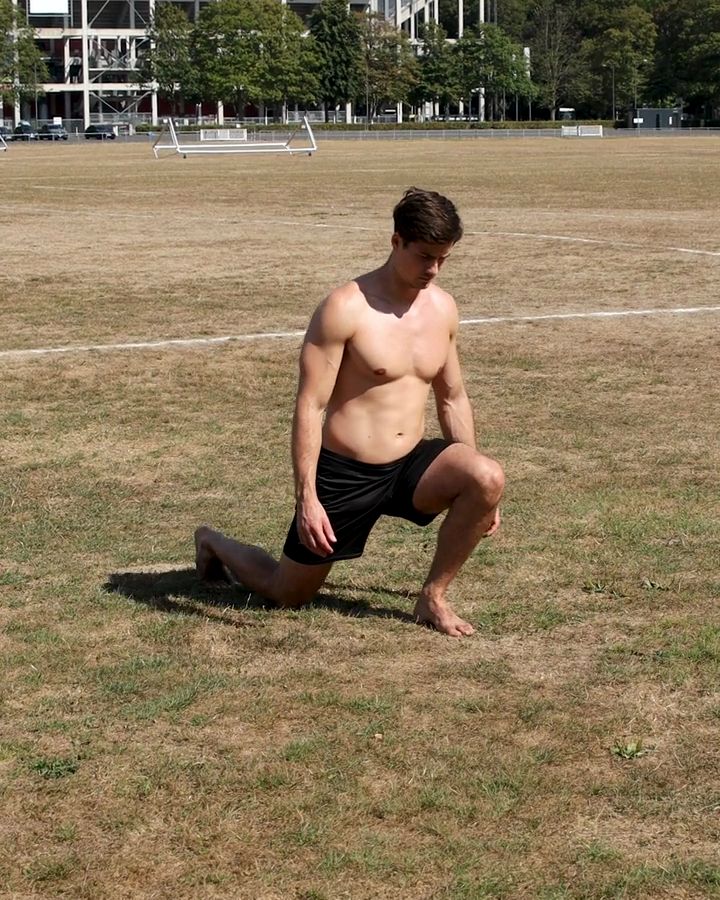
Bodyweight Lunges
In contrast to lunges with a barbell, bodyweight lunges do not use additional weight. This makes the exercise easier and requires less balance since the center of gravity is slightly lower—similar to lunges with dumbbells.
Bodyweight Lunges - the correct execution
- Start in a step position with the left leg in front
- Bring the right knee to the floor
- The left foot is evenly loaded
- Keep the upper body upright
- Stretch both legs
Similar exercises to Barbell Lunges
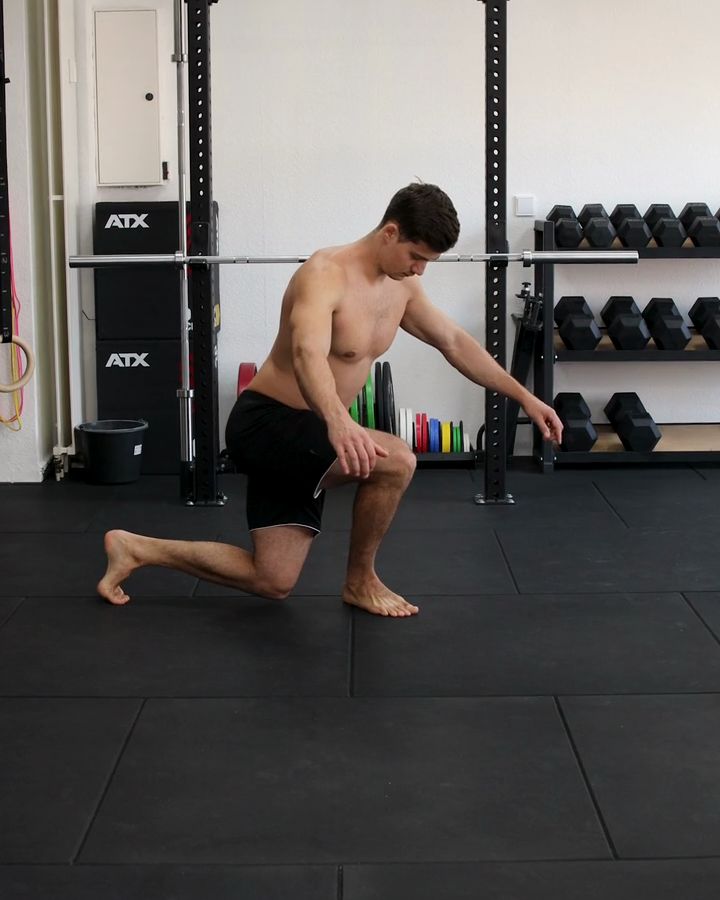
Curtsey Lunges
Curtsey lunges are a variation of the classic lunge, where the back leg is crossed behind the body. This movement particularly targets the outer thighs and glutes, especially the side glute muscles. The crossing motion also promotes knee joint stability and improves coordination. Compared to the normal lunge, curtsey lunges work the side muscle groups more intensively, making them an effective exercise for balanced leg training.
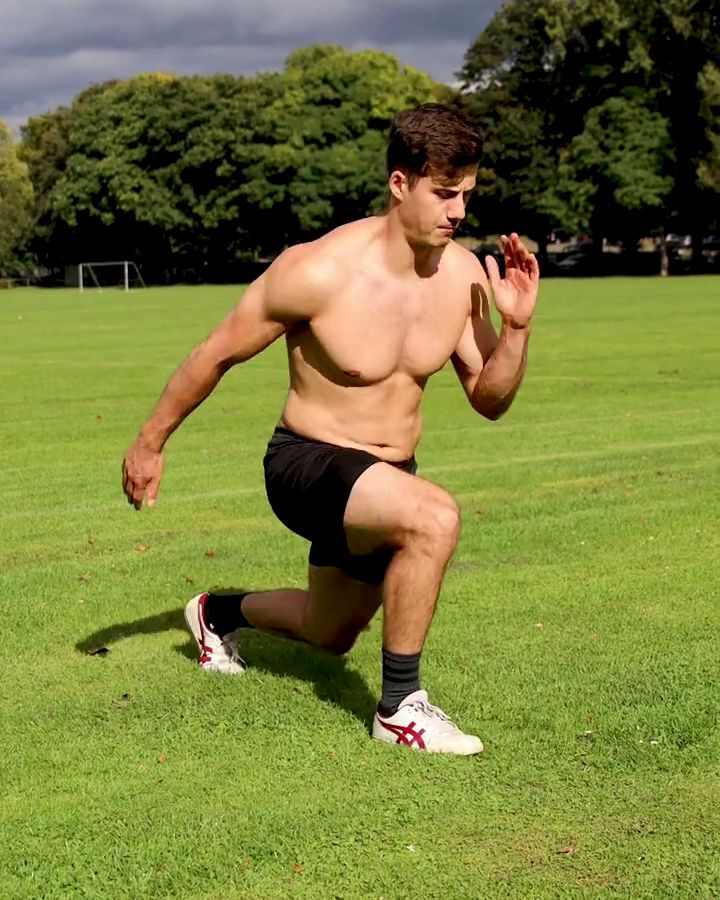
Jumping Lunges
Jumping lunges are a dynamic variation of the classic lunge, in which a jump is performed between switching legs. Similar to jump squats, this exercise trains the entire leg and glute muscles while simultaneously promoting coordination and balance. The inclusion of jumps also increases the heart rate and strengthens the cardiovascular system. Jumping lunges are particularly well-suited for HIIT workouts or as an addition to strength training sessions.
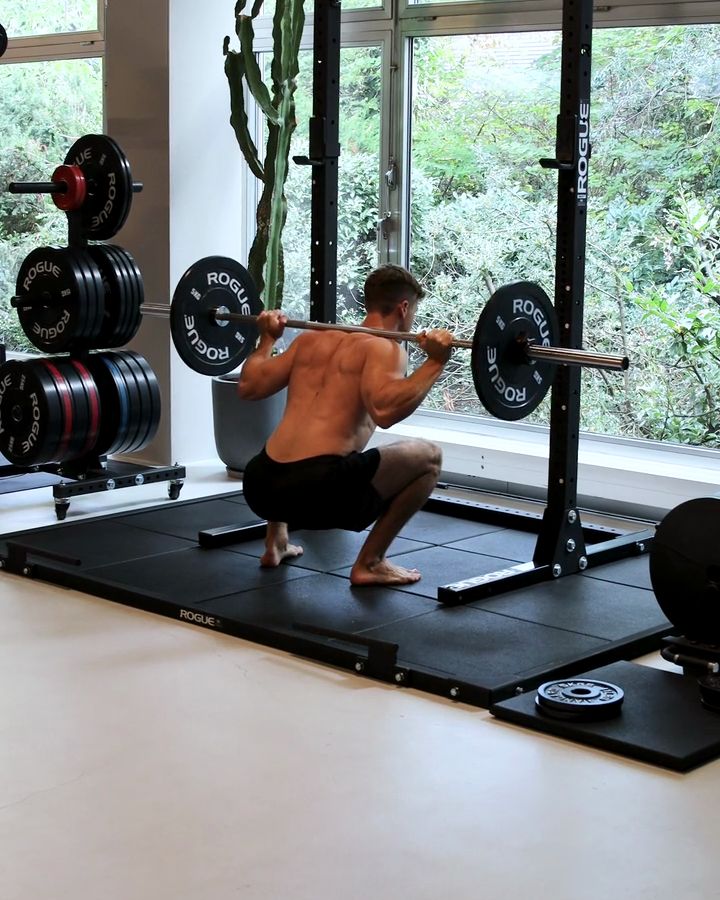
Barbell Back Squats
Back squats are one of the fundamental exercises in strength training. They are typically performed with a barbell, allowing for progressive overload. Back squats primarily target the thigh muscles, particularly the quadriceps and glutes. Additionally, they strengthen the core and lower back, as these muscles are crucial for stability and control during the exercise.
Back squats are among the most well-known foundational exercises in strength training, as they promote overall body strength and stability, improve functional movements in daily life, and, when combined with other strength exercises like deadlifts or lunges, provide an excellent foundation for leg training.
This could also be interesting
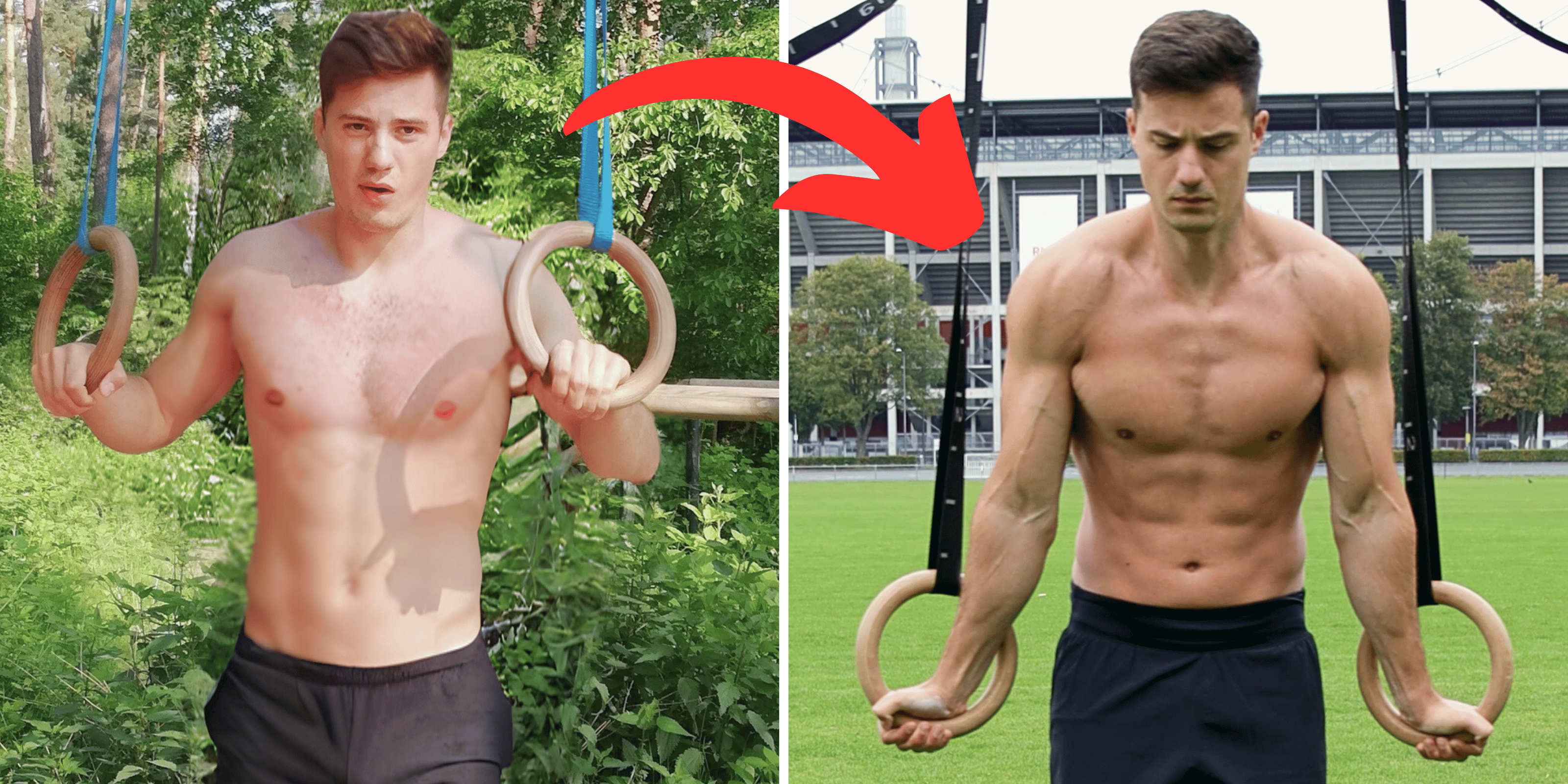
Calisthenics Body Transformation – How to Build a Strong, Lean, and Athletic Physique
Transform your body with Calisthenics! Build muscle, burn fat & achieve a shredded physique with bodyweight training. See real before & after results!
Complete Calisthenics Skills List – 40+ Exercises from Beginner to Pro
Which calisthenics skills should you learn first? And which ones will really help you progress? In this article, you’ll find a complete list of over 40 exercises – from the very basics to the toughest moves for professionals. Each exercise comes with instructions, so you can immediately integrate them into your training.
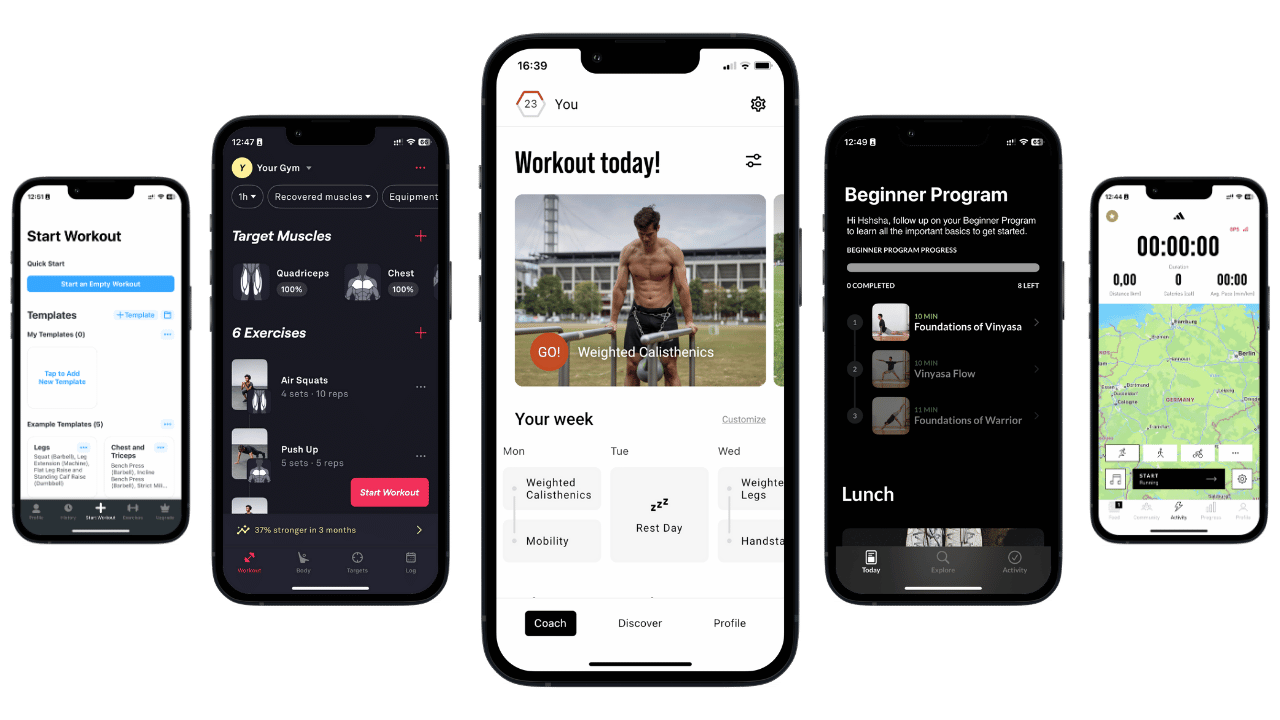
The Best Fitness Apps in 2025: Our Top 10 Recommendations
Don’t miss the best fitness apps of 2025: surprising favorites, free options, and perfect tools for your workouts. Find the ideal app today!