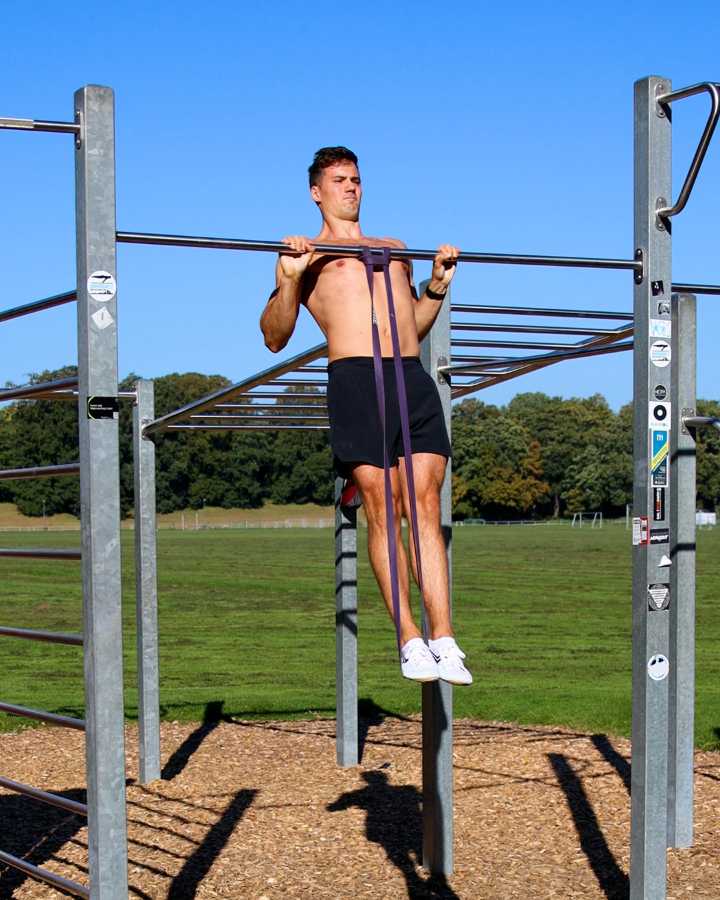
Banded Pull Ups
Band-assisted pull-ups make traditional pull-up training easier by providing support through a resistance band. This exercise is particularly suitable for beginners or individuals looking to build upper body strength before being able to perform unassisted pull-ups. It primarily targets the back and arms. Compared to regular overhand-grip pull-ups, the intensity is reduced, allowing for a focus on proper form. This variation also helps in progressively learning pull-ups, similar to how negative pull-ups serve as a stepping stone to completing full pull-ups.
Necessary equipment

Banded Pull Ups - the correct execution
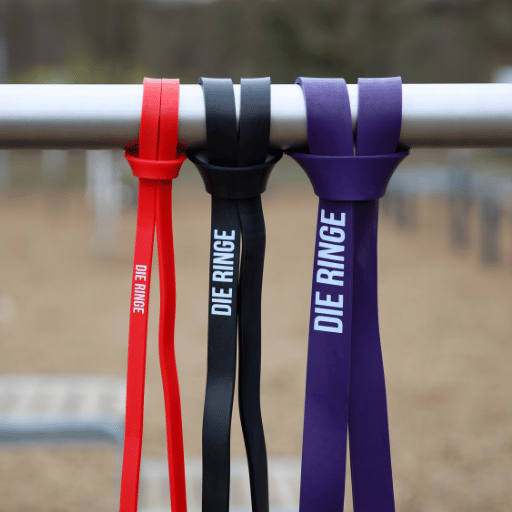
- Start by securing a strong resistance band (purple) to the pull-up bar so that you can place one foot in it
- Place one foot in the band and stabilize yourself before grabbing the bar
- Grap the bar in a pronated grip so that the fingers points away from your body
- Ensure that your grip width is at least shoulder-width
- Retract your shoulder blades downward and back to create a stable starting position
- Bend your arms and use the support of the band to effectively pull yourself up to the bar until your head is at least above the bar
- Hold the position briefly when you reach the maximum height
- Lower yourself slowly and controlled back to the hanging position, using the resistance band for support
- Focus on achieving the maximum range of motion in each repetition
The exercise Banded Pull Ups is intended to be used as a hypertrophy exercise.
Which muscles are trained by Banded Pull Ups?


Primary trained muscles for Banded Pull Ups
Latissimus - The latissimus dorsi is a large muscle in your back that helps you pull your arm down and back. It also supports breathing and stabilizes the spine.
Upper Back - The muscles in the upper back, including the trapezius and rhomboid muscles, help move and stabilize your shoulders. They pull the shoulder blades together and support posture.
Secondary trained muscles for Banded Pull Ups
Biceps - The biceps brachii muscle is located on the front of your upper arm. It helps you bend your arm at the elbow, rotate your palm upwards, and lift your arm forward.
Forearm - The forearm muscles are divided into flexors and extensors. The flexors bend your wrist, while the extensors straighten it.
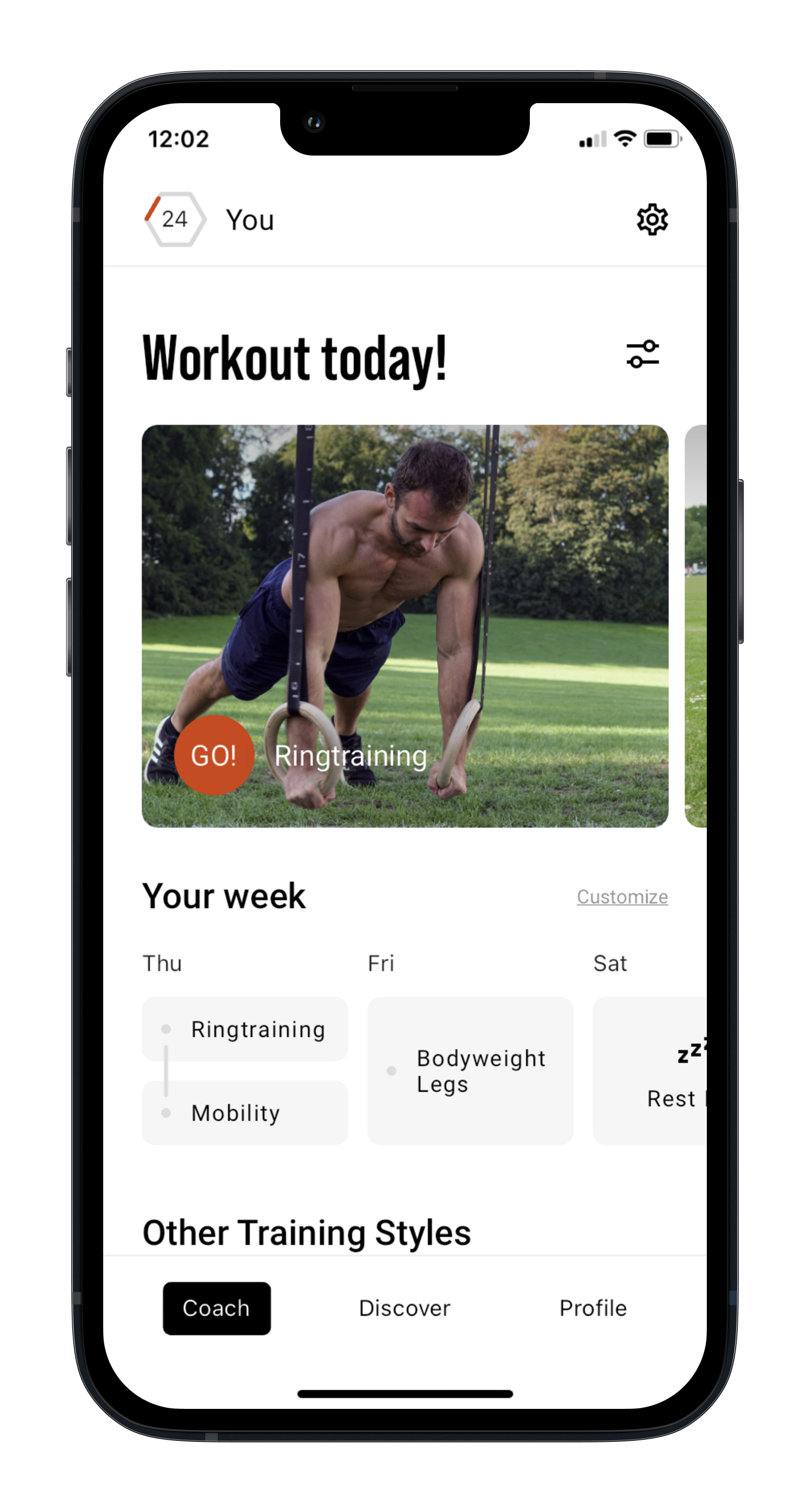
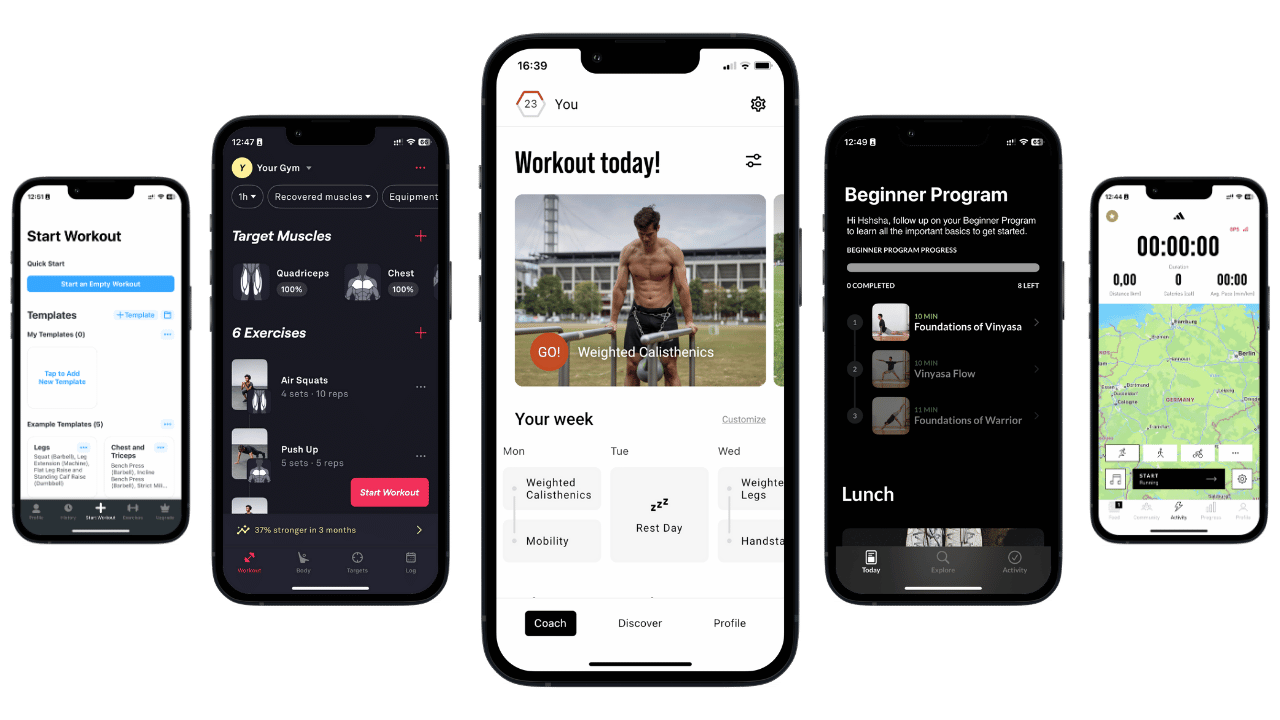
Calisthenics training, developed by sports scientists and optimized by smart algorithms, for your best workout.
Over 1000 five-star reviews on App Store and Google Play.


This could also be interesting
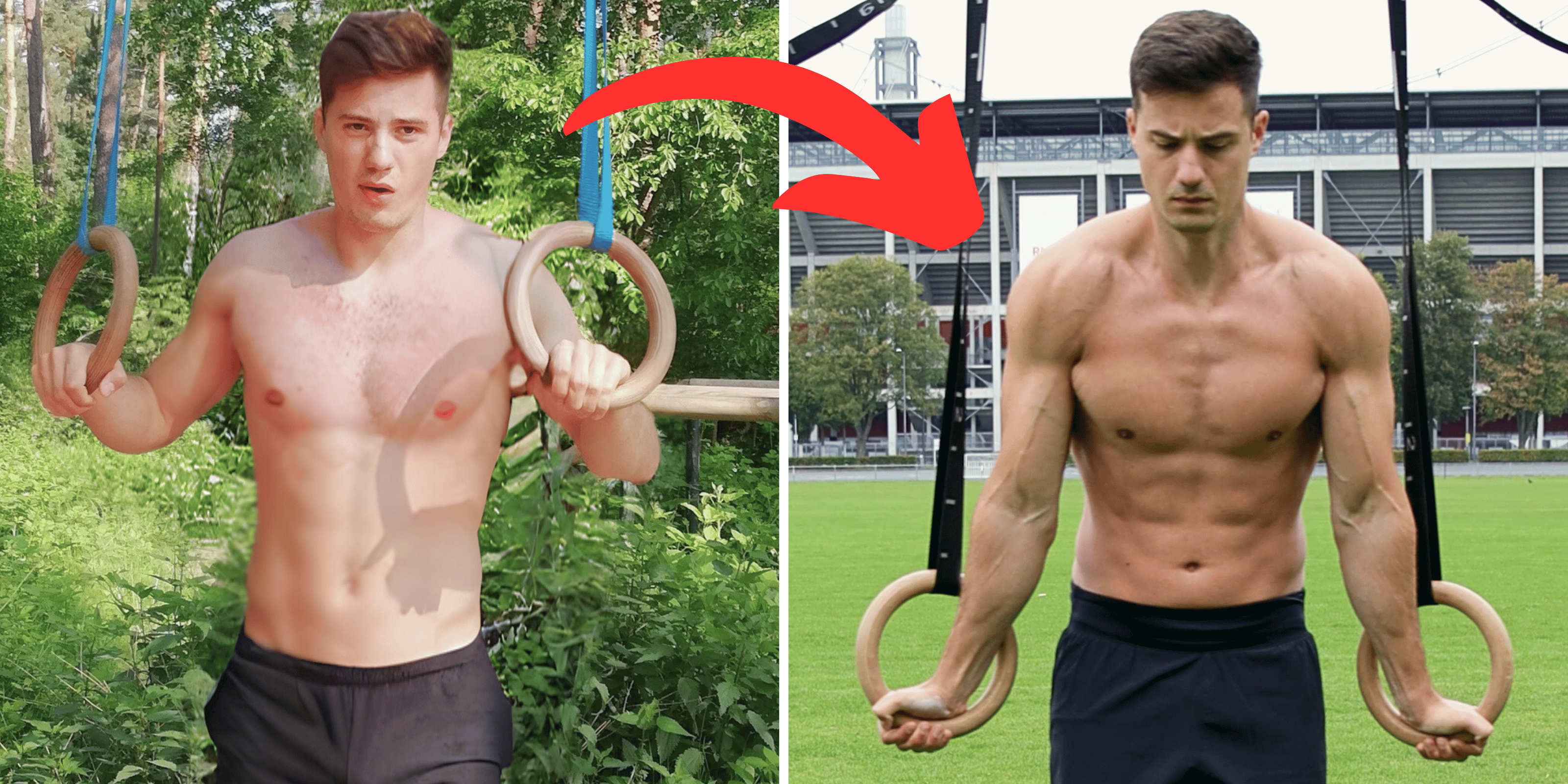
Calisthenics Body Transformation – How to Build a Strong, Lean, and Athletic Physique
Transform your body with Calisthenics! Build muscle, burn fat & achieve a shredded physique with bodyweight training. See real before & after results!
Complete Calisthenics Skills List – 40+ Exercises from Beginner to Pro
Which calisthenics skills should you learn first? And which ones will really help you progress? In this article, you’ll find a complete list of over 40 exercises – from the very basics to the toughest moves for professionals. Each exercise comes with instructions, so you can immediately integrate them into your training.
The Best Fitness Apps in 2025: Our Top 10 Recommendations
Don’t miss the best fitness apps of 2025: surprising favorites, free options, and perfect tools for your workouts. Find the ideal app today!