Shoulder Pain in Calisthenics: Causes and Solutions for Painless Training
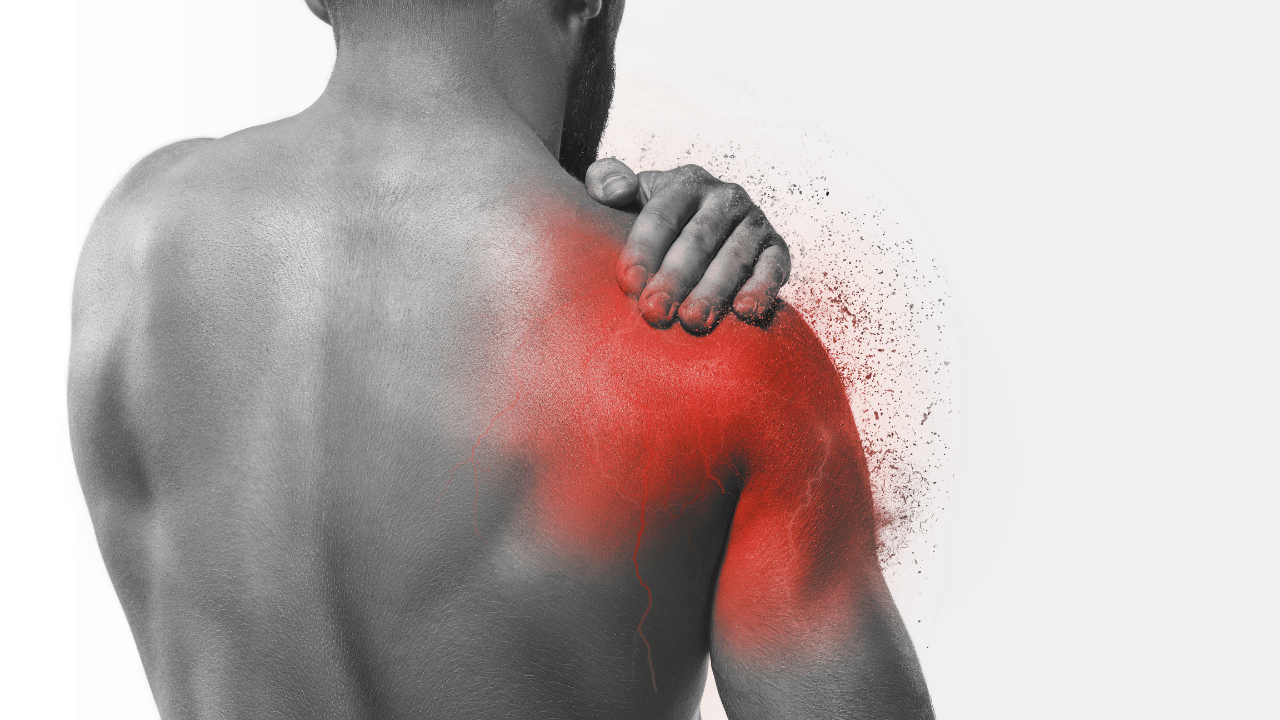
Shoulder pain during training is frustrating. Pull-ups, push-ups and dips – they are supposed to make you stronger, but instead they rob you of the pleasure of the sport calisthenics.
Have you tried everything, but the pain remains? Often the cause lies in the load control and small technical errors that add up over time.
In this article, you will learn how to recognize typical error images, your Scapulo humeral rhythm Improve and exercise painlessly – without giving up your favorite exercises.
Why does pain arise?
Most shoulder complaints—whether after a pull-up, push-up, or dip—are due to overloading the rotator cuff. This muscle group stabilizes the upper arm in the shoulder joint cup. If the interaction of the shoulder blade and upper arm (Scapulo-Humeral Rhythm) is disturbed, the rotator cuff has to do too much work.
Why Shoulder Pain Happens During Pull-Ups
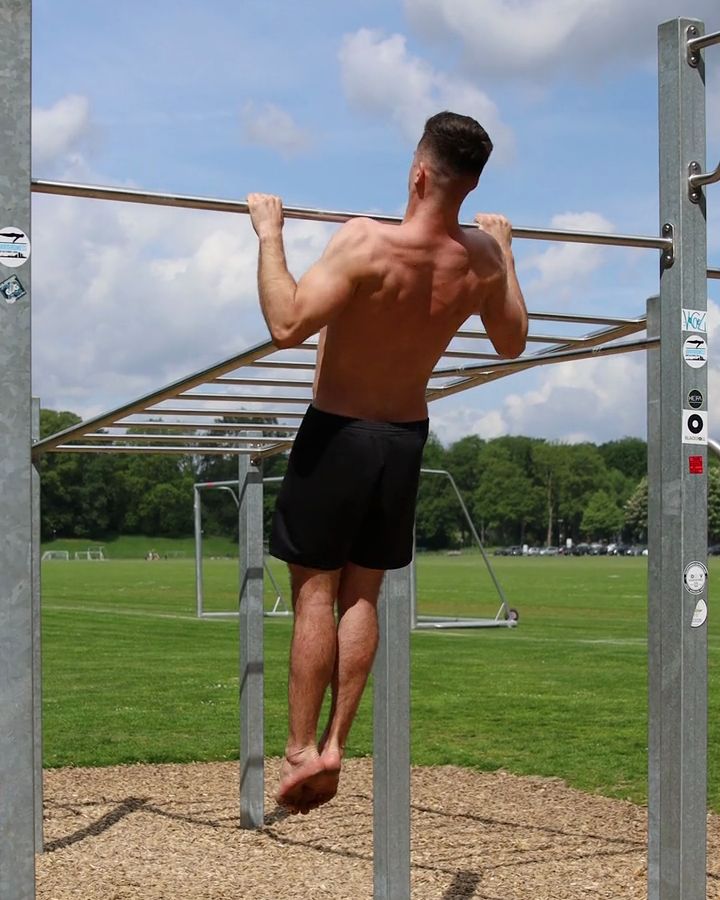
Many athletes report shoulder pain after pull-ups, often caused by restricted movement of shoulder blades. It is important that the shoulder blades can rotate freely in order to relieve the rotator cuff and promote healthy movement dynamics. Frequent improper postures such as excessive lifting of the shoulders or forced “pressing down” of the shoulder blades contribute significantly to these complaints.
The right pattern:
- Let the shoulder blades rotate naturally with the arm. Avoid excessive tension.
Necessary equipment

How to Do Pull-Up Properly to Avoid Shoulder Pain
- Start in the hang position with arms extended
- Grap the bar in a pronated grip so that the fingers points away from your body
- Your grip width is at least shoulder width
- Pull your shoulder blades down backwards at the beginning
- Bend your arms and pull the bar towards your chest
- Try to pull yourself up as high as possible, at least with your head above the bar
- Lower yourself slowly and controlled back into the hang
- Work in the largest possible range of motion
How Shoulder Pain Can Be Avoided by Pushups
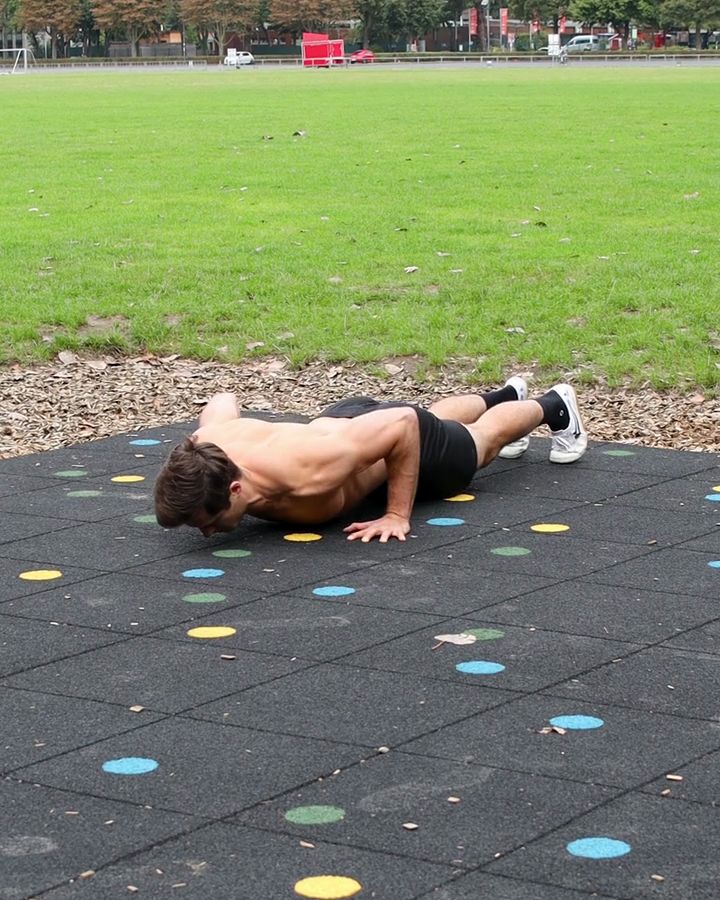
Shoulder pain during or after pushups is often caused by uncontrolled movement patterns. Often the shoulder part remains stiff, or the shoulder blades do not move harmoniously. One of the main causes is the lack of interaction between the shoulder blade and upper arm, which can lead to excessive stress on the rotator cuff.
The right pattern:
- When lowering the arms, the shoulder blade should retract slightly and support the movement. Avoid excessive tension in the shoulder area.
How to Do Pushups Properly to Avoid Shoulder Pain
- Start in the push-up position
- Place hands shoulder width apart
- Make sure the torso is firm and push the lower back out upwards (PPT)
- Bend the elbows and lower the chest towards the floor
- Push up until arms are completely extended
Why Shoulder Pain Occurs After Dips
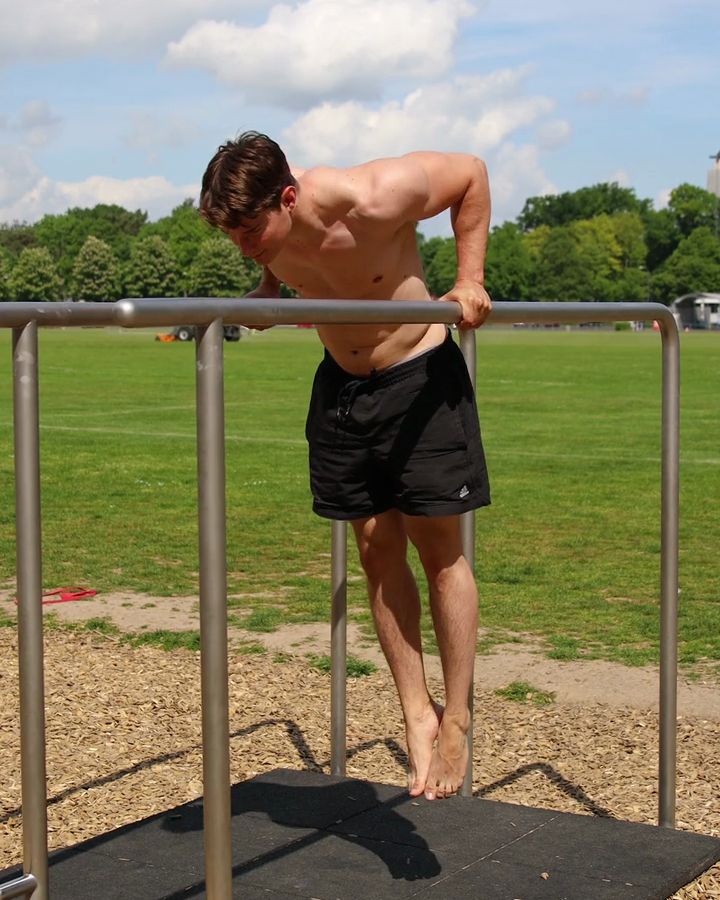
Shoulder pain after dips is often caused by an inharmonious interaction of shoulder blade and arm. Excessive tension can restrict the freedom of movement of the shoulder blades and unnecessarily increase the load on the joint structures. A faulty technique, such as rigidly fixing the shoulders, is a common trigger. Instead, the shoulder blades should support the arm movement naturally and freely to prevent overload.
The right pattern:
- Have the shoulder blades slightly retracted in the lower position and moved upwards. Avoid a rigid “holding” of the shoulders.
Necessary equipment

How to Perform Dips Properly to Avoid Shoulder Pain
- Start in support
- Push your shoulders down
- Bend your elbows at least 90 degrees and lower yourself towards the floor
- Keep permanent tension in your hips and buttocks
- Stretch your arms and press back into support
- Work in the largest possible range of motion
Your next steps:
- Reduce the weight and intensity you exercise with. For severe pain, take a break and seek professional help from a pain specialist such as Leon Staege or another professional in this field.
- Slowly start training again and pay attention to good training planning with a progressive increase in load.
- Analyze your technique and watch for a natural scapulo-humeral rhythm as you gradually increase the intensity.
Do you want to exercise pain-free in the long term?
Ours DIE RINGE App Helps you perfect your technique and training. With a long-term, systematic progressive increase in exercise, your body has enough time to adapt and you reach your training goals.
DIE RINGE App: Learn calisthenics skills step by step with meaningful plans that adapt to your progress.
With over 700 exercises, we ensure that we always find the right progression for you:
Calisthenics Training, developed by sports scientists, optimized by smart algorithms – for your best workout.
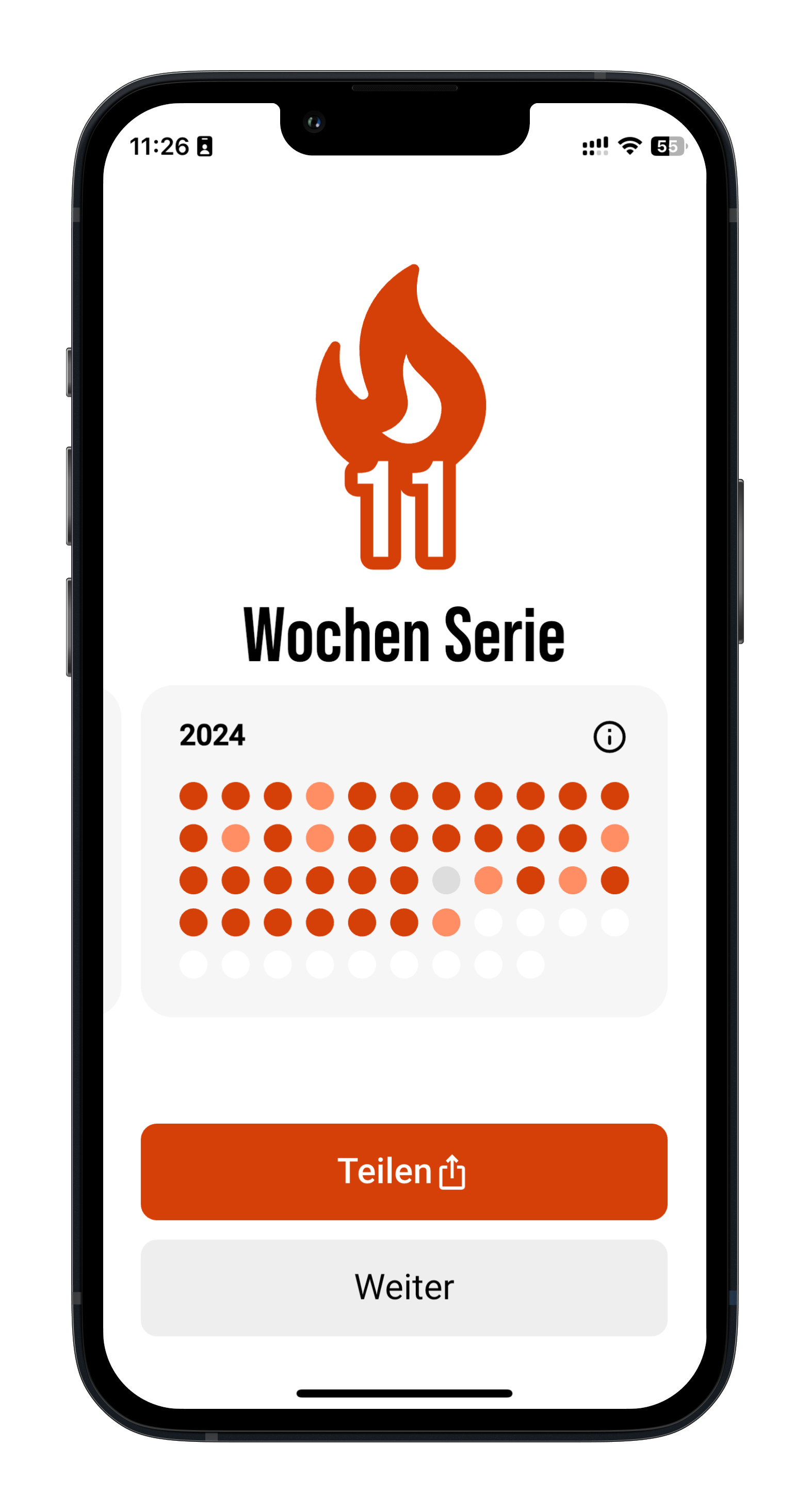
Always motivated
With us, it is easy to make your training a habit – thanks to encouraging features and structured training planning.
Personalized training plan
We combine technology and sports science and adapt your training so that you train at exactly the right level and at the right pace.
Communicate with real people
Just shake the app and give us feedback so we can make the app better or help you with your training.
Developed by Sports Scientists
By combining research-based training methods and effective exercises, we create training plans that help you successfully build strength and muscle.
Always motivated
With us, it is easy to make your training a habit – thanks to encouraging features and structured training planning.
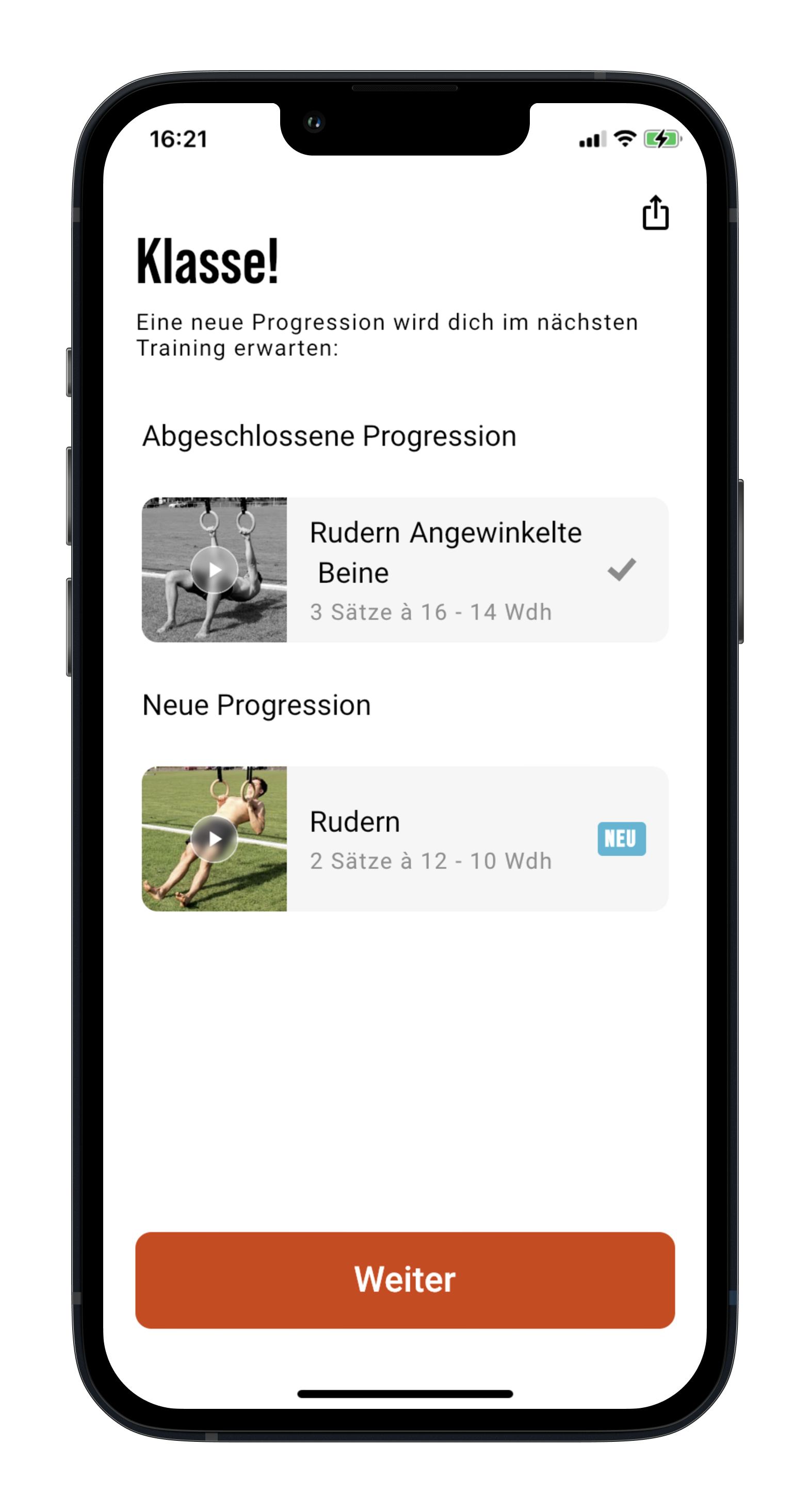
Personalized training plan
We combine technology and sports science and adapt your training so that you train at exactly the right level and at the right pace.
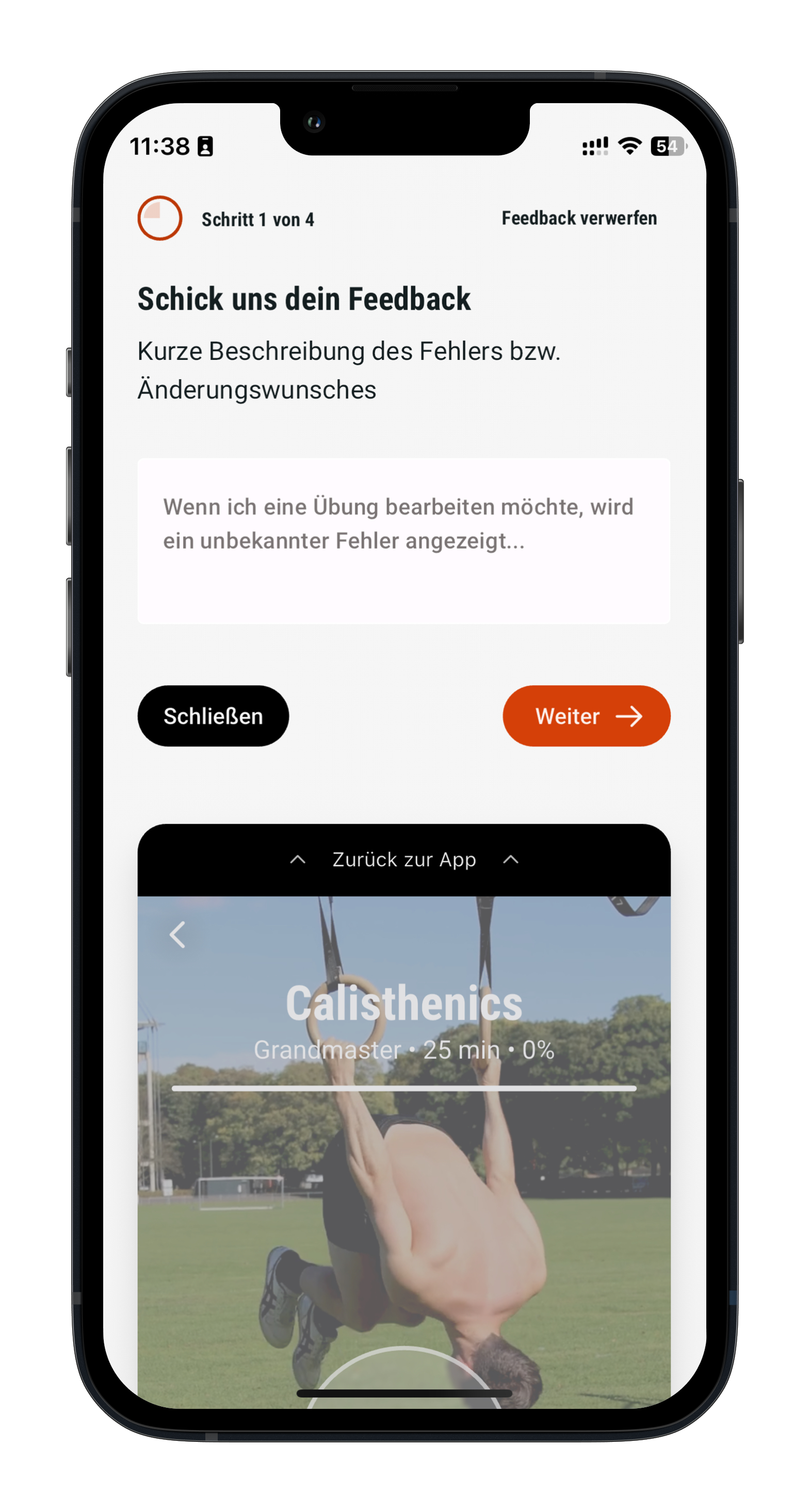
Communicate with real people
Just shake the app and give us feedback so we can make the app better or help you with your training.
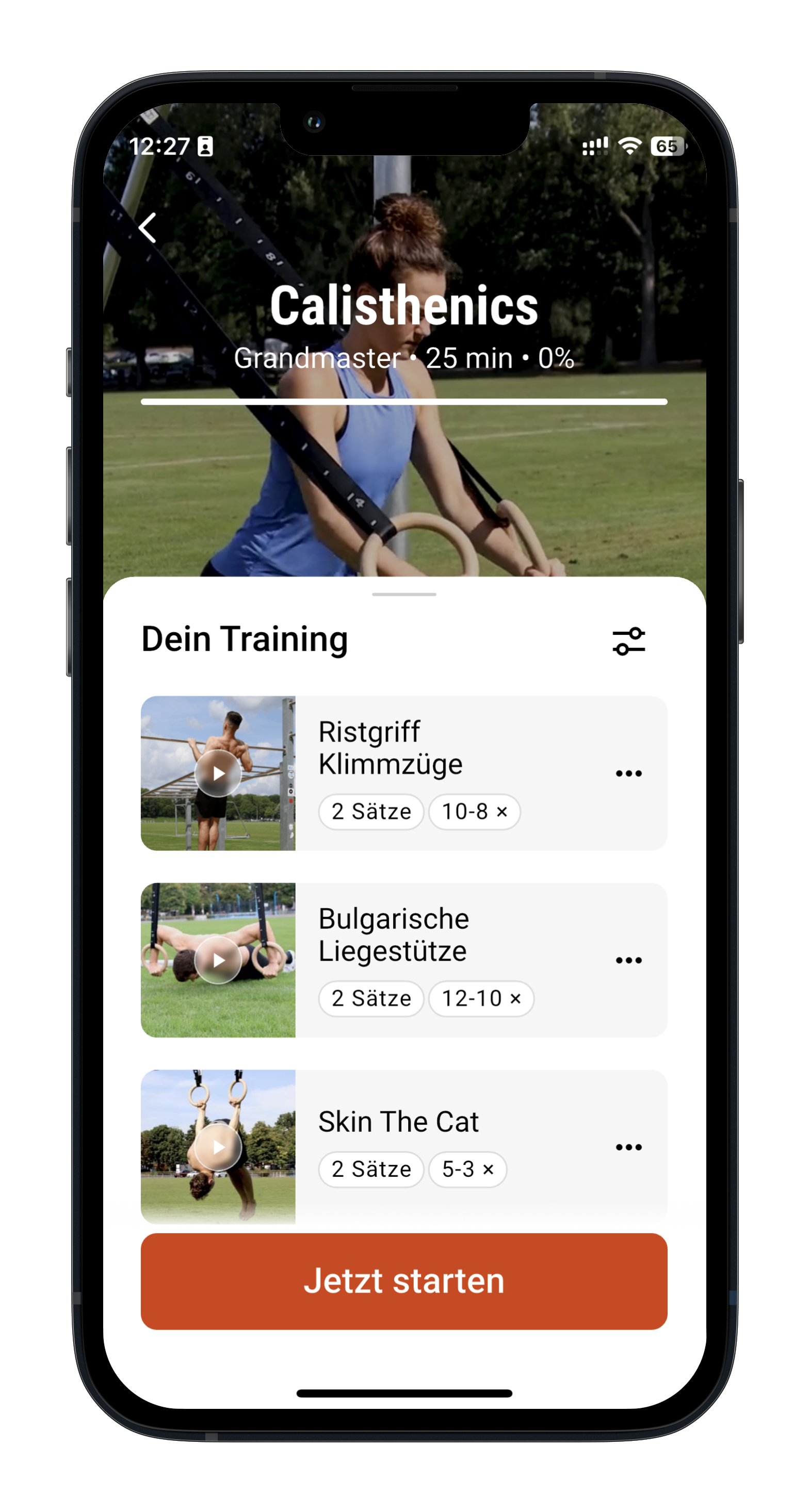
Developed by Sports Scientists
By combining research-based training methods and effective exercises, we create training plans that help you successfully build strength and muscle.