This is why core training is important!
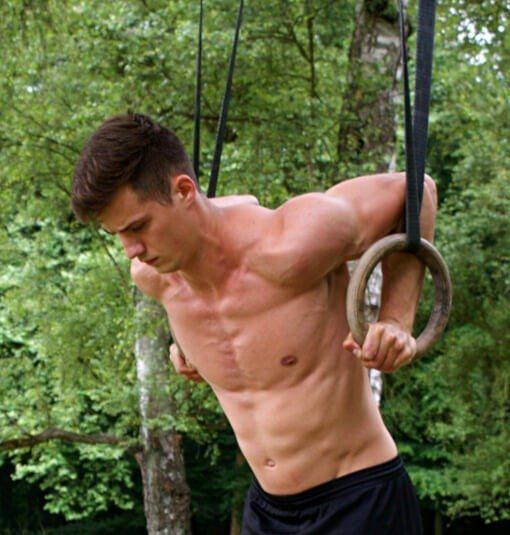
When you start to deal with the sport a little closer, you suddenly hear or read quite often about the topic of core training. The hull is trump card, in Pilates the Powerhouse, Corestability etc.
The trunk forms the connection of our extremities and should at best be our stable center!
Especially the low-lying autochthonous back muscles, as well as the lateral and deep abdominal muscles, contribute with their various muscle groups significantly to the functional stabilization and erection of the body.
The term hull or torso is derived from Latin and means “tribe”. Just as a tree needs its trunk, which does not let the plant fall even in a storm, man needs a strong center. The core muscles are the power center of your torso. It gives you support – provided it is stable enough.
What exactly is the function and role of the core muscles?
Each muscle group has different functions and roles in our bodies. The central position of the torso muscles ensures a stabilization and erection of the spine during dynamic and static movements.
In addition, a pronounced torso muscle ensures a clean power transmission and stabilization for all basic movements.
Since the muscles are located in the middle of our body, they are also called “support muscles”. The torso muscles assume an important support and protective function of the spine, due to the central position.
Hull training not only in sports, also in everyday life!
No matter which sport(s) You operate, you can rest assured that you can only benefit from a well-trained core muscle. Whether jogging, playing tennis, calisthenics or gymnastics, a stable middle makes you more efficient not only in sports but also in everyday life.
Advantages of a strong hull
Hull training helps you to do much more than train a beautiful-looking six-pack!
- You increase your sense of balance and coordination.
- You reduce your risk of injury: More stability in the core means more body control. This allows you to avoid falls, bad posture or other injuries.
- You form a basis for complex movement sequences.
- You ensure better movement execution and transmission: Your core is connected to the extremities and relays the force.
- You prevent back pain: With a pronounced abdominal and back muscles you keep yourself more erect, compensate for misalignments and spare the intervertebral discs.
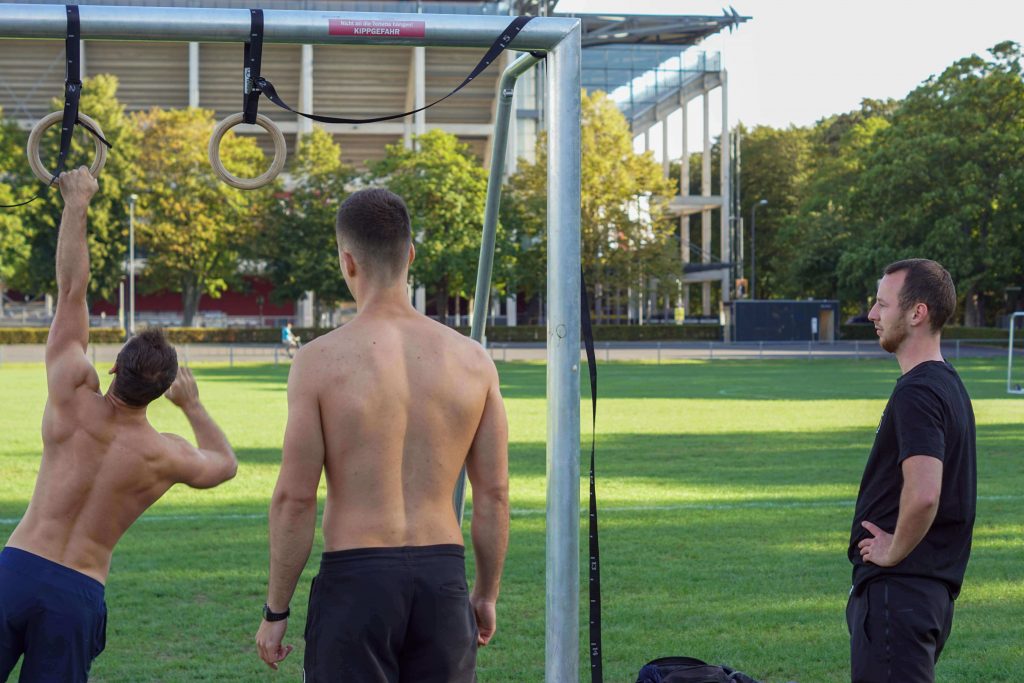
We hope that we were able to bring you a little closer to the topic of core training and that you realize the importance for your body. If you want to know more about training at the gymnastics, take a look at our app:
If you want to know more about the core training and appropriate exercises, then look also This Article an.