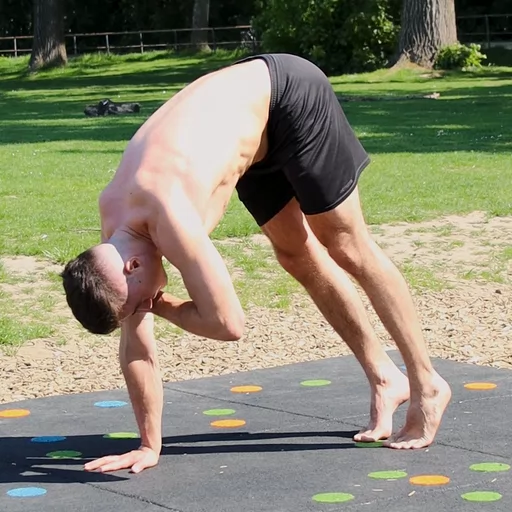
Pike Shoulder Taps
Pike shoulder taps are an effective exercise for strengthening the shoulders and serve as preparation for the strength required in a handstand. In this exercise, you take a pike position—a sort of inverted V, with hands and feet on the ground and hips lifted. From this position, you lift one hand at a time to tap the opposite shoulder while maintaining balance. This exercise intensively activates the shoulders and simultaneously enhances core tension and stability, making it an excellent preparation for the handstand.
Pike Shoulder Taps - the correct execution
- Hands are flat and shoulder-width on the floor
- Arms are extended
- Legs are long and the front of your foot touches the floor
- Actively push your hips up
- Shift your body weight to one arm and tap the opposite shoulder with your free hand
- Each tap counts as one repetition
Which muscles are trained by Pike Shoulder Taps?


Primary trained muscles for Pike Shoulder Taps
Neck - The neck muscles move your head in all directions and support important structures such as blood vessels and nerves that run between your head and chest.
Front Delts - The front part of the deltoid muscle, also known as the anterior shoulder, is located at the front of the shoulder. It is primarily involved in the forward movement of the arm, such as lifting the arm forward. It also assists in the internal rotation of the arm. This muscle is engaged in activities that involve lifting objects in front of the body or pushing forward.
Triceps - The triceps brachii muscle is located at the back of your upper arm. It extends your arm at the elbow and also helps move the arm backward.
Secondary trained muscles for Pike Shoulder Taps
Upper Back - The muscles in the upper back, including the trapezius and rhomboid muscles, help move and stabilize your shoulders. They pull the shoulder blades together and support posture.
Abs - The rectus abdominis, also known as the "abs," runs vertically along the front of the abdomen. It is responsible for bending the torso forward, such as during sit-ups, and lifting the pelvis. This muscle stabilizes the torso, supports the spine, and helps maintain good posture.
Side Delts - The lateral part of the deltoid muscle, also known as the lateral shoulder, is located on the outside of the shoulder. It is the main muscle responsible for lifting the arm sideways. The lateral shoulder is particularly active when the arm is extended away from the body, such as during lateral raises or lifting objects to the side. It plays a key role in arm abduction and shoulder stabilization.
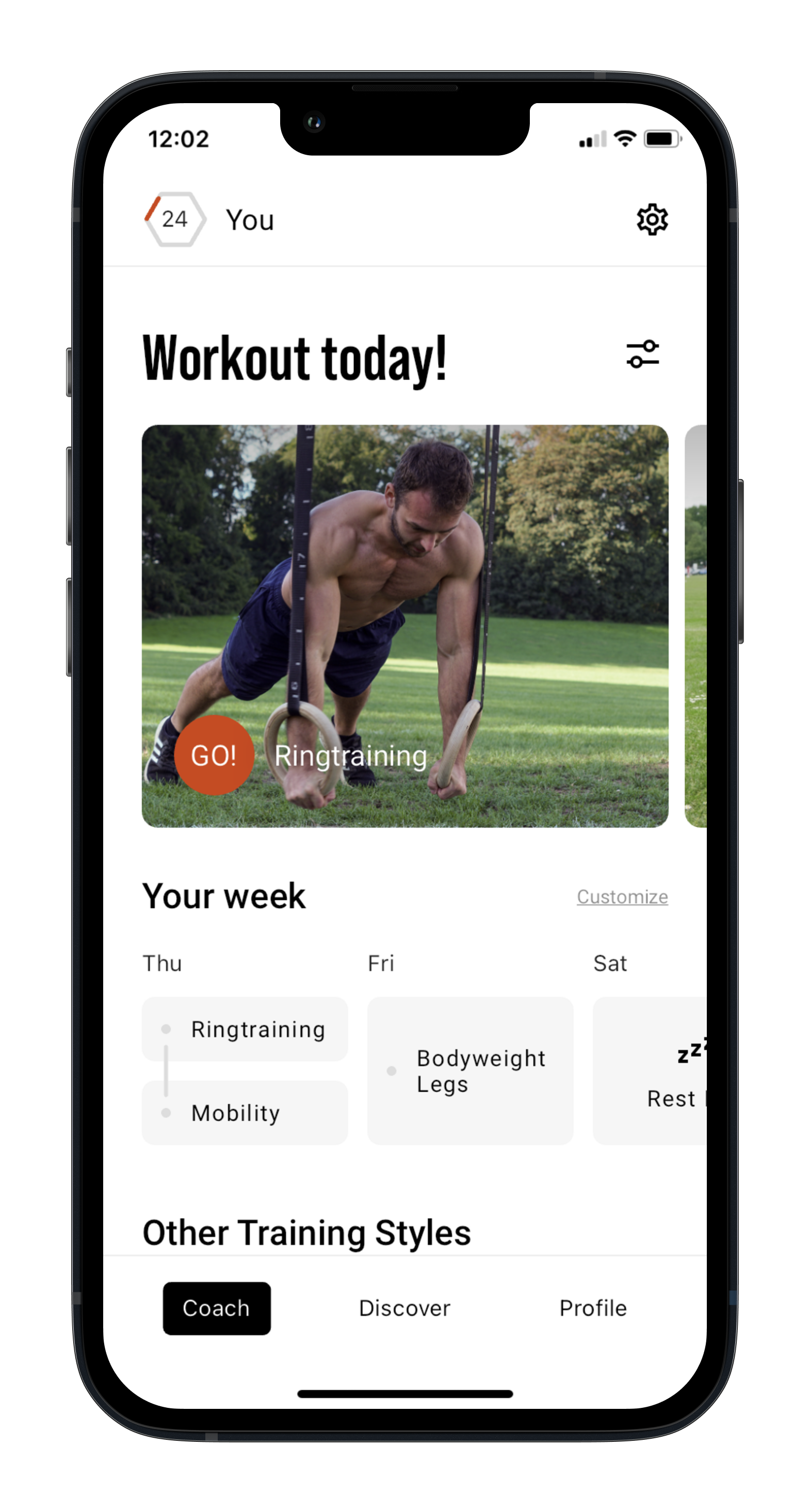
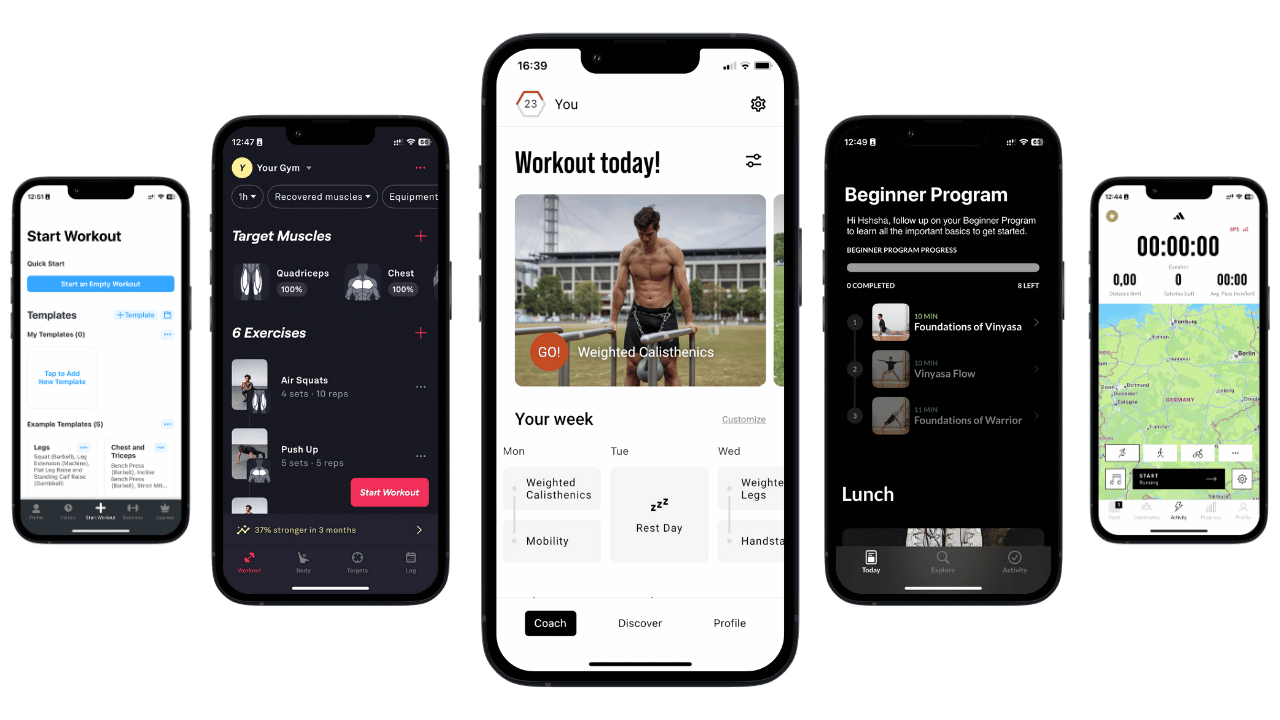
Calisthenics training, developed by sports scientists and optimized by smart algorithms, for your best workout.
Over 1000 five-star reviews on App Store and Google Play.


This could also be interesting
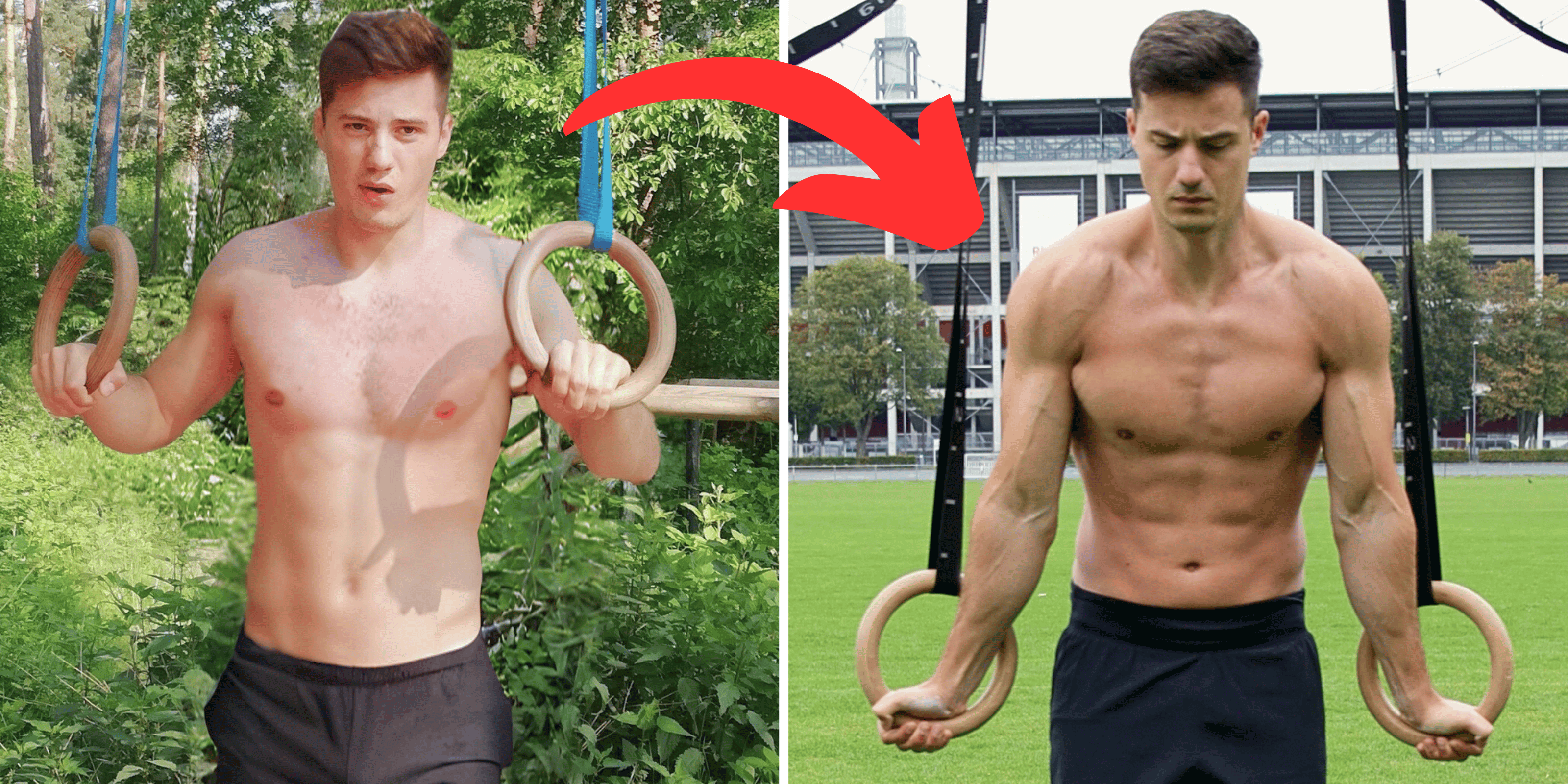
Calisthenics Body Transformation – How to Build a Strong, Lean, and Athletic Physique
Transform your body with Calisthenics! Build muscle, burn fat & achieve a shredded physique with bodyweight training. See real before & after results!
Complete Calisthenics Skills List – 40+ Exercises from Beginner to Pro
Which calisthenics skills should you learn first? And which ones will really help you progress? In this article, you’ll find a complete list of over 40 exercises – from the very basics to the toughest moves for professionals. Each exercise comes with instructions, so you can immediately integrate them into your training.
The Best Fitness Apps in 2025: Our Top 10 Recommendations
Don’t miss the best fitness apps of 2025: surprising favorites, free options, and perfect tools for your workouts. Find the ideal app today!