Exercising with sore muscles? Note the following tips for your training.
Do you know that? Even sitting hurts, the arm protests when opening the closet, and the stairs become a challenge? Sore muscles are a familiar feeling for many athletes: inside and a common phenomenon after intensive training. But how do you deal with muscle soreness? Can you train with muscle soreness – or should you better pause? And what about severe muscle soreness when you can barely move? In this article, we answer these and other questions.
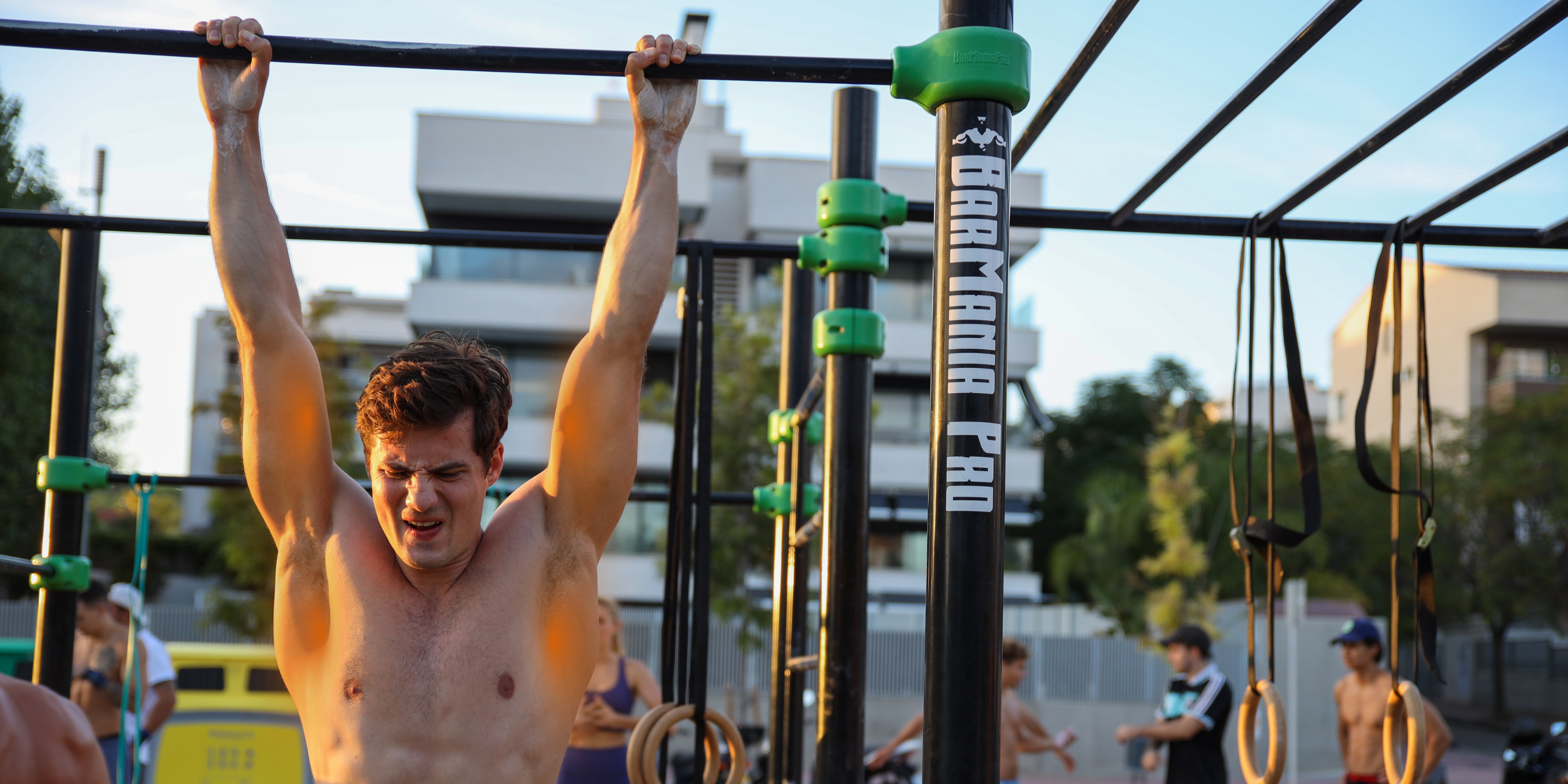
Understanding Muscle Soreness: What Happens When You Work Out With Muscle Soreness?
Muscle soreness is caused by so-called microtraumata – the smallest injuries in the muscle fibers that occur during an intense or unusual training session. These Local muscle overuse leads to a slight inflammatory response. Fluid accumulates in the affected tissue, which causes the typical pain and tension that we perceive as sore muscles.
Although muscle soreness can be uncomfortable, it plays an important role in muscle building. In the regeneration phase, the muscles Protein biosynthesis Underway – a central mechanism that promotes muscle growth. This is precisely why it is crucial for muscle soreness to focus on recoverybefore training with muscle soreness again or resuming your workout.
How long does muscle soreness usually last, and when do you talk about strong muscle soreness?
Sore muscles Usually occurs 24 to 48 hours after training and fades away within one or two days. But it lasts longer – several days or even up to a week – it is strong muscle soreness. The most common reasons for this are Longer training breakunusual movements or an excessively high training intensity.
To avoid excessive muscle soreness, you should adjust your load to your current performance level. Especially if you go back to training after a break, it is important that Slowly increase intensity. So you can avoid that a strong muscle soreness brings you longer out of your training rhythm and your recovery unnecessarily delayed.
How can I effectively prevent muscle soreness? Tips for your muscle soreness training
Muscle soreness often occurs due to unfamiliar loads – be it new exercises or particularly intensive training sessions. Strong muscle soreness Especially when they are Muscles suddenly and unusually heavily stressed. Muscle soreness can never be completely avoided, but with Specific measures You can significantly reduce the risk and intensity.
The best prevention strategy is to gently increase your physical load. There are several approaches to this:
- Reducing volumePerform fewer exercises or sentences.
- Adjust the intensityExtend your break times, simplify exercises or reduce repetitions.
- Reduce weightWhen training with weights, reduce the load.
It is important that you Continue to challenge your muscles without overwhelming them. Similar to a light switch, it is enough to actuate it once to turn on the light – pressing more does not have an additional effect. With the right balance between over- and under-exercise, you not only avoid strong muscle soreness, but also train more sustainably.
Even experienced athletes: women should pay attention to realistically assess their training intensity. Overestimation is a common cause of muscle soreness It can inhibit your progress. Over time, develop a sense of how to optimally adapt your muscle soreness training to your performance.
Strong muscle soreness – should you still exercise?
The question of whether you can train with sore muscles cannot be answered in general. It is important to consider the intensity of muscle soreness. Exercising with mild muscle soreness It is often possible as long as you do not overload the affected muscles. Strong muscle soreness, on the other hand, requires caution: intense loads such as Rapid or maximum strength exercises should be avoidedas they can further damage the muscles and hinder regeneration.
Can you train with sore muscles?
The answer depends on the strength of muscle soreness. Exercise in mild muscle soreness is usually unproblematic and can even promote blood circulation through moderate movements. In case of severe muscle soreness However, you should avoid intense loads and give your body time to regenerate. Consider whether you should continue to exercise during sore muscles or pause – your body gives you clear signals.
For More information about how you do your Training despite sore muscles optimally adjusts and why periods of rest are important, we recommend that you Video by Eric to be seen. It explains how you use the process of super compensation to make long-term progress without being slowed down by extreme muscle soreness.

Why is regeneration so important in sore muscles?
Regeneration time plays a crucial role in your muscle building and long-term progress. During this phase, your body repairs the microtraumas created by the training in the muscles and adapts to the set stimuli. If you neglect this recovery time, risk overtraining, which not only inhibits your progress, but can also promote injuries. Especially after intense muscle soreness training or strong muscle soreness, it is important to give your body enough time to regenerate.
If you Exercise with strong muscle soreness neverthelessprevent the muscle, the necessary Protein biosynthesis It is a central process for muscle growth. Instead of further straining the stressed muscles, you can focus on other muscle groups, such as one Moderate leg trainingif the upper body is affected. So you can train despite muscle soreness without hindering the regeneration of the painful muscle parts.
Always listen to your body’s signals: If you feel tired or unmotivated, these are clear indications that a break is necessary. Similarly, if there is no progress or you feel pain, it is advisable to slow down the pace. Exercising with sore muscles may seem tempting at times, but it can be counterproductive.
Whether you should take a break or can exercise with mild muscle soreness ultimately depends on your individual body feeling. A sufficient regeneration time is essential to train efficiently, injury-free and sustainably in the long term.
What helps with muscle soreness? The Best Tips for Rapid Regeneration
1. Restraint
The most effective measure for strong muscle sorenessr is not to burden the affected muscles further. Instead of immediately exercising with muscle soreness, you should give the muscle time to regenerate. Only in this way can he recover and return strengthened. Despite this, wanting to train especially for sore muscles can be counterproductive and delay healing.
2. Moderate movement
If the muscle soreness is less intense, can Helping movements with low load. With mild muscle soreness exercise promotes blood circulation and can relieve the pain. One Relaxed round of cycling or relaxed jogging They are ideal. However, training despite muscle soreness should always remain moderate in order not to irritate the affected muscles additionally. If you’re unsure if you should continue to exercise with sore muscles, listen to your body’s signals.
The effect of Massages for sore muscles, however, is controversial: While some studies suggestThat massages can promote recovery by reducing inflammatory responses, there are also opinions that suggest that massages could put additional strain on the irritated muscles. If you choose a massage, make sure that it is done gently and is good for your body.
3. Heat
Heat relaxes the muscles and supports regeneration. A hot bath, sauna visit or hot water bottle can relieve pain, especially with severe muscle soreness that restricts you in movement. This promotes blood circulation, which accelerates the healing process.
4. Sleep
Regeneration takes place mainly during sleep. Too little sleep can delay the healing process and make the complaints worse. An adequate night’s sleep (7–8 hours) is therefore essential – especially after intensive muscle soreness training to allow the body the necessary recovery.
5. Nutrition
Provides a balanced diet Important nutrients for muscle repair. Especially after intense sessions, a high-protein meal helps to strengthen muscles and reduce future muscle soreness. So you can optimize your training in the long term, without having to constantly do sports with sore muscles.
Is muscle soreness a sign of good training?
Clearly, No! Sore muscles are not a reliable indicator of how effective your training has been. Even without muscle soreness, an adaptation process takes place in your muscles that makes them stronger. Strong muscle soreness that slows you down for several days can even be counterproductive, as you can set important training stimuli less often. Thus your progress is inhibited rather than encouraged.
The goal of a good training is Not to provoke muscle soreness every time, but to gradually challenge your body. It’s about finding the right balance – between being overwhelmed, which leads to muscle soreness, and being underwhelmed, which does not cause adjustment. If you always work with the same training plan and don’t increase intensity, your muscles have no reason to adjust. But constantly exercising despite sore muscles or taking on too much stress also slows your progress.
Focus on progress instead of sore muscles
Muscle soreness is just a byproduct of intense training and should never be your measure of success. Instead, the regularity and adjustment of your training stimuli counts. You can also build muscle effectively without muscle soreness, as long as you give your body sufficient regeneration. Think about whether you want to work out with mild muscle soreness or a break is useful – in both cases the focus is on progress, not pain.
Train smart, take care of your body, and use muscle soreness as an indication of how to better adjust your workout – but not as a goal or yardstick for your workout!
If you are interested in the topic of regeneration, take a look at the Video by Paul. You will learn how to optimize your training planning and achieve long-term success.

Conclusion: Avoid strong muscle soreness – with the DIE RINGE App
Sore muscles are not the key to effective training – the focus should be on your progress. With the DIE RINGE App can you your Training optimize and execute a structured program that avoids overload or underload. The app helps you plan your sessions so that you don’t constantly exercise with sore muscles or run the risk of getting stagnant results from low intensity.
Especially if you want to get back in after a break or avoid a strong muscle soreness, the app adjusts your training intensity in small, controlled steps. This way you can ensure that your body always receives exactly the right load – without pain or inefficient training despite sore muscles.
Start now with the DIE RINGE App and take your training to the next level – without muscle soreness as a benchmark, but with maximum progress!
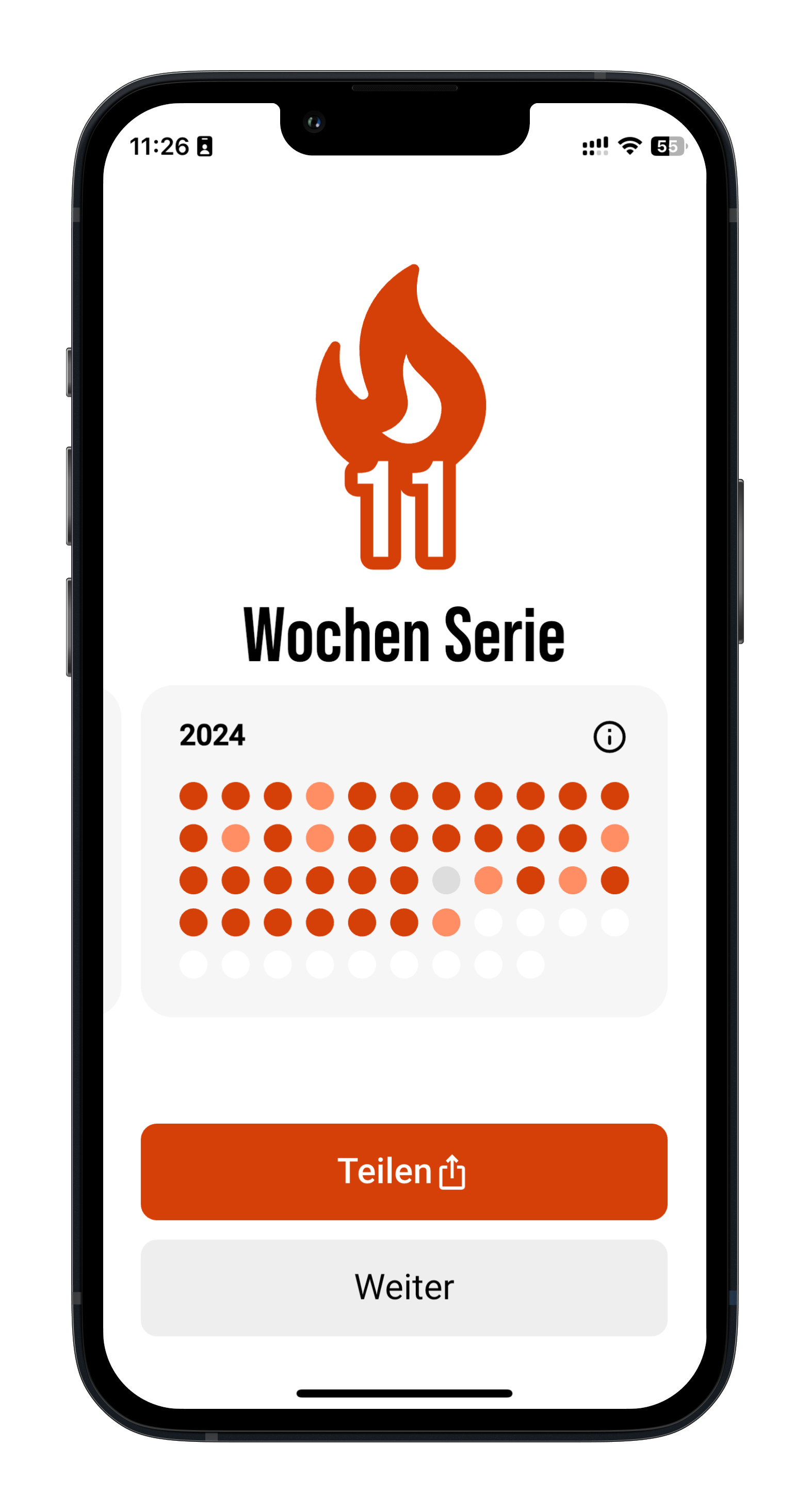
Always motivated
With us, it is easy to make your training a habit – thanks to encouraging features and structured training planning.
Personalized training plan
We combine technology and sports science and adapt your training so that you train at exactly the right level and at the right pace.
Communicate with real people
Just shake the app and give us feedback so we can make the app better or help you with your training.
Always motivated
With us, it is easy to make your training a habit – thanks to encouraging features and structured training planning.
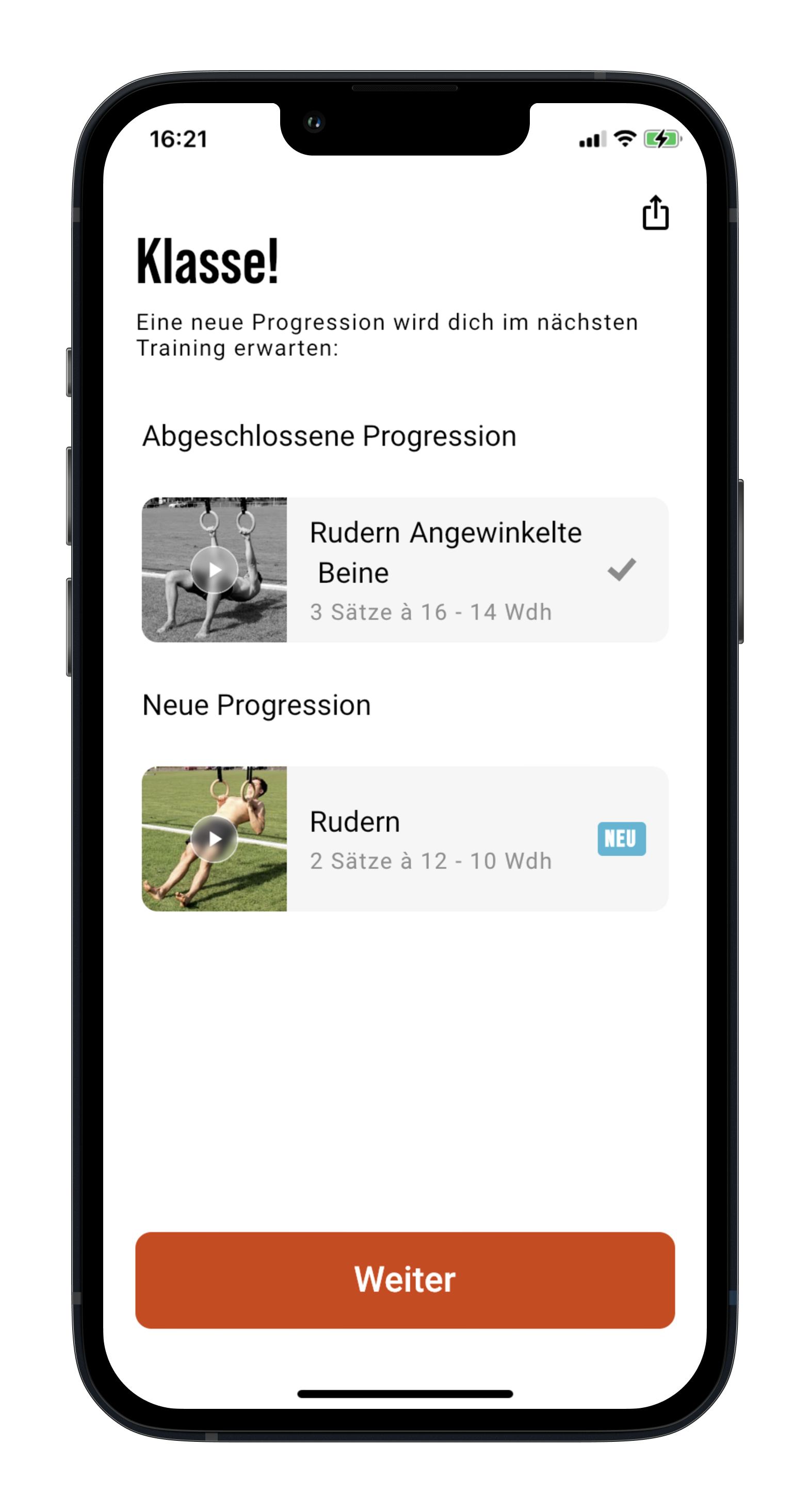
Personalized training plan
We combine technology and sports science and adapt your training so that you train at exactly the right level and at the right pace.
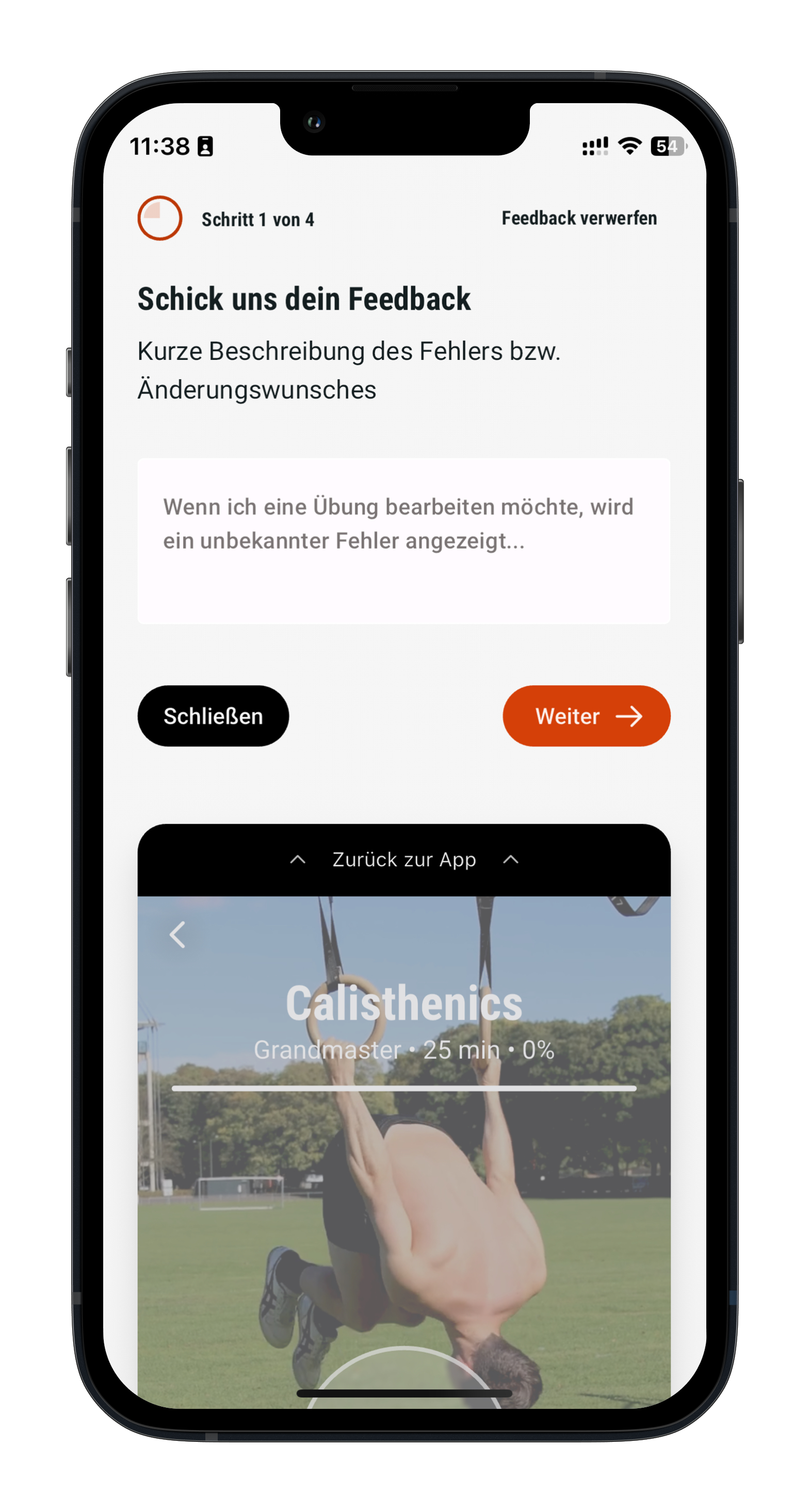
Communicate with real people
Just shake the app and give us feedback so we can make the app better or help you with your training.