Strengthen & build back muscles: 20 effective exercises for a strong back
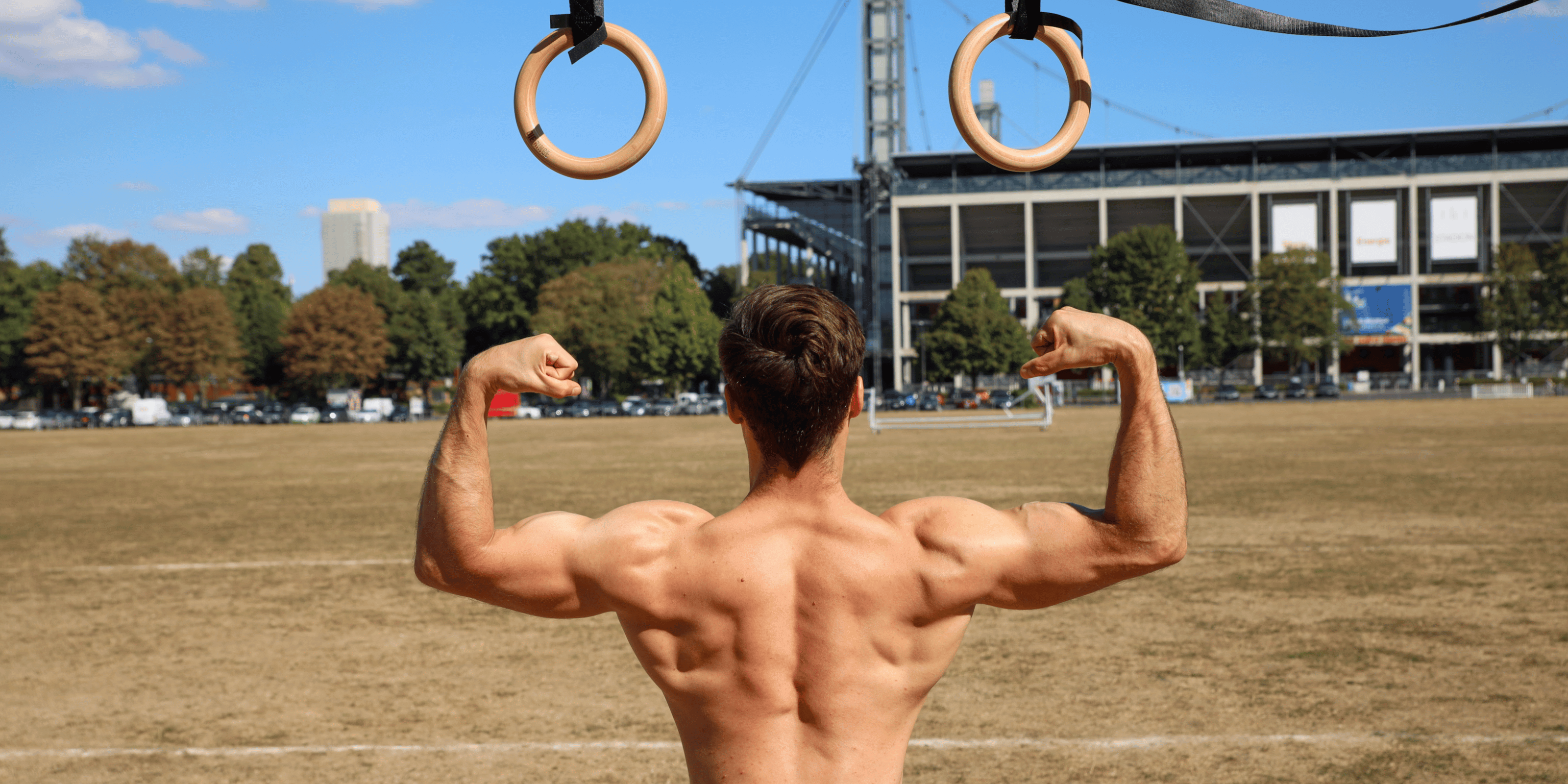
Why you should strengthen your back muscles
A strong back is the basis for a healthy posture, painless movement and efficient everyday activities. The back muscles stabilize the spine, protect discs and joints and ensure an upright posture – sitting, standing and in every movement.
Especially the low-lying, autochthonous muscles in the lower back is often neglected in everyday life. If it is not specifically strengthened, this leads to tension, bad posture and chronic complaints.
With targeted exercises to strengthen the back muscles, this can be counteracted – effectively, sustainably and without complicated equipment. Those who train regularly not only strengthen their back, but also protect their health in the long term.
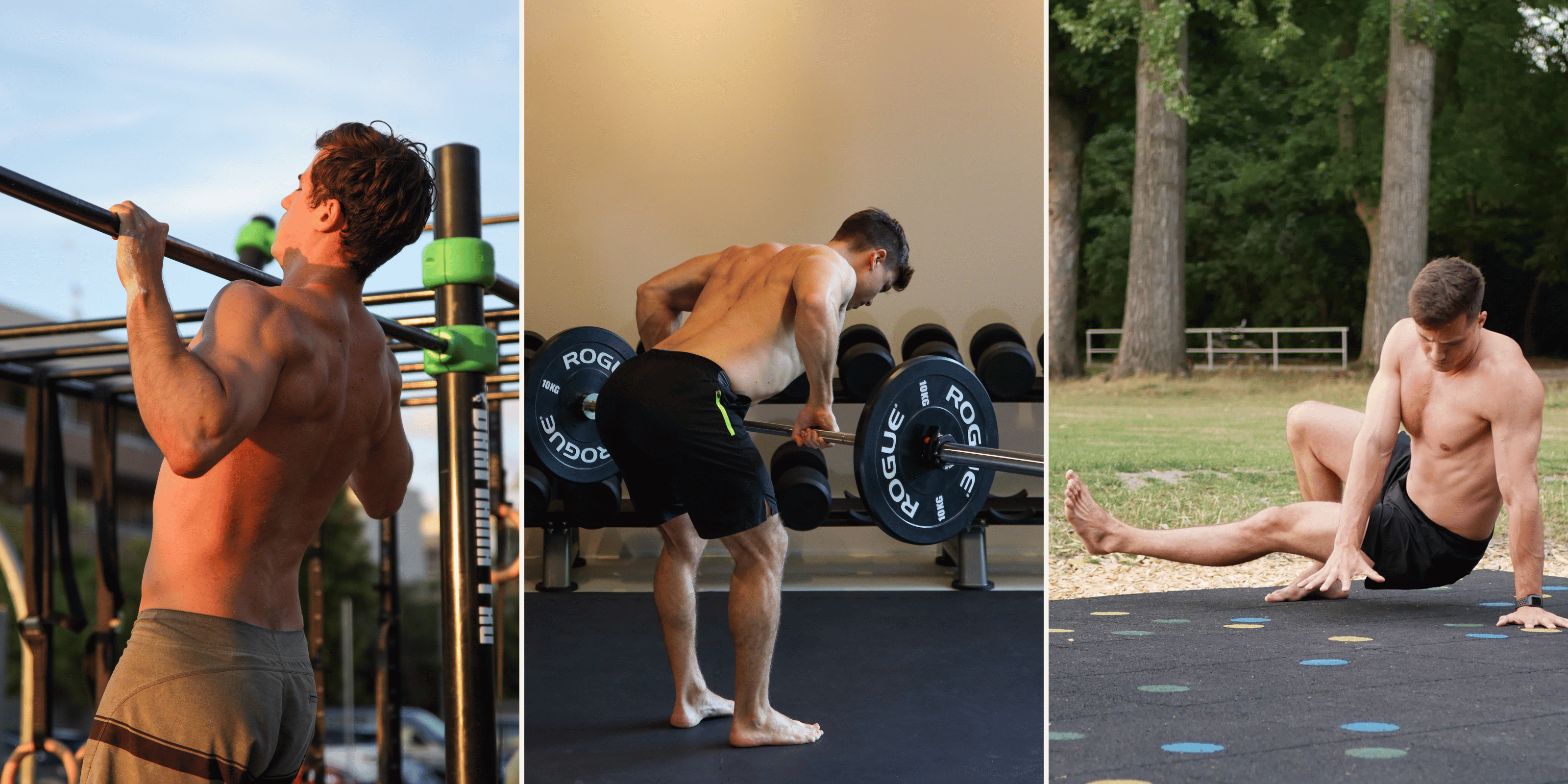
Strengthening the Best 20 Exercises for the Back
1. Passive slope
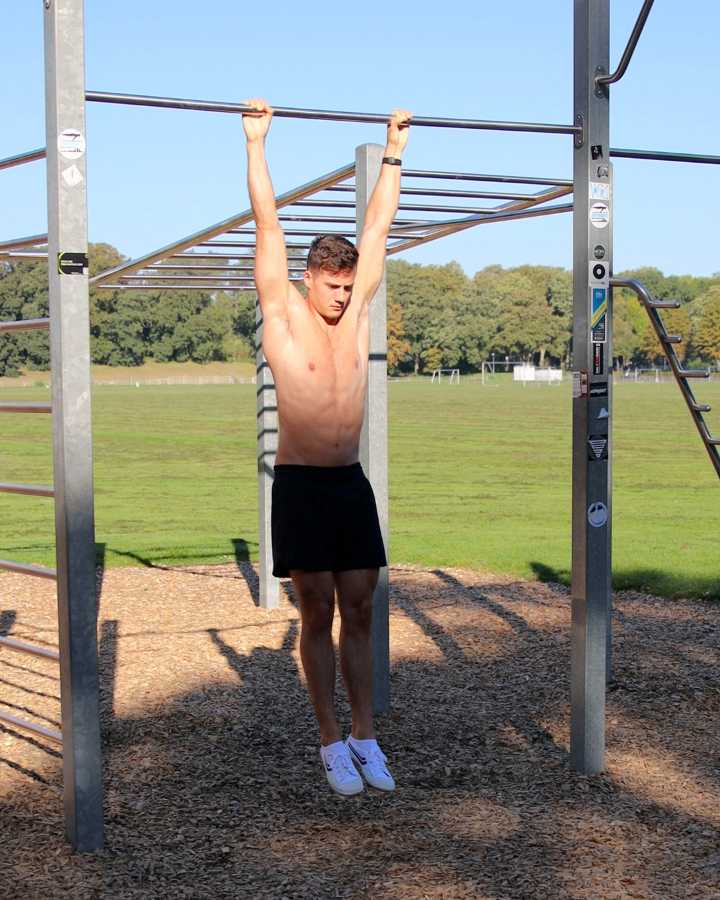
The passive slope on the rod is an excellent back exercise because it naturally relieves and decompresses the spine. Hanging increases the distance between the vertebrae, which reduces pressure on discs and nerves. At the same time, the entire back muscles are gently stretched, which releases tension and improves mobility. Especially after long sitting or loading, the passive slope can help regenerate the spine and improve posture.
Necessary equipment

Correct execution
- Grip the bar with both hands shoulder-width apart, palms facing away from you (overhand grip)
- Let your body hang fully relaxed, arms extended, shoulders pulled toward the ears
- Keep your body relaxed, with feet off the ground
- Maintain tension in your hands and forearms
- Breathe calmly and evenly while holding the position
2. Shoulder blade pull-ups
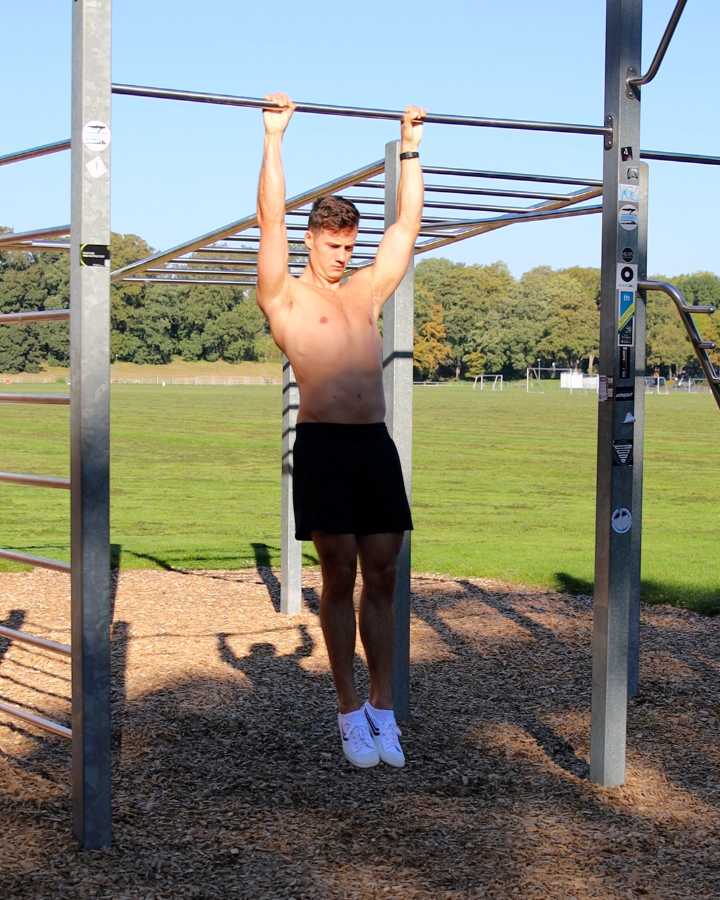
Shoulder blade pull-ups are an effective back exercise because they specifically activate the muscles around the shoulder blades. Above all, the lower trapezoid muscle is strengthened, which leads to better posture and stability of the shoulder. The movement promotes control and control of the upper back – an important basis for clean pull-ups (qLvXCzsTcCeLHQ14WV3s) and a healthy shoulder belt.
Necessary equipment
Correct execution
- Start in a shoulder-width grip on the bar in a hanging position
- Engage your core muscles to keep your body stable
- Slowly pull your shoulder blades back and down without bending your arms
- Hold the end position for a moment to feel the tension in your shoulder blades
- Lower your shoulder blades back down to the passive hang in a controlled manner
- Repeat the movement with a steady pace and controlled breathing
3. Face pulls
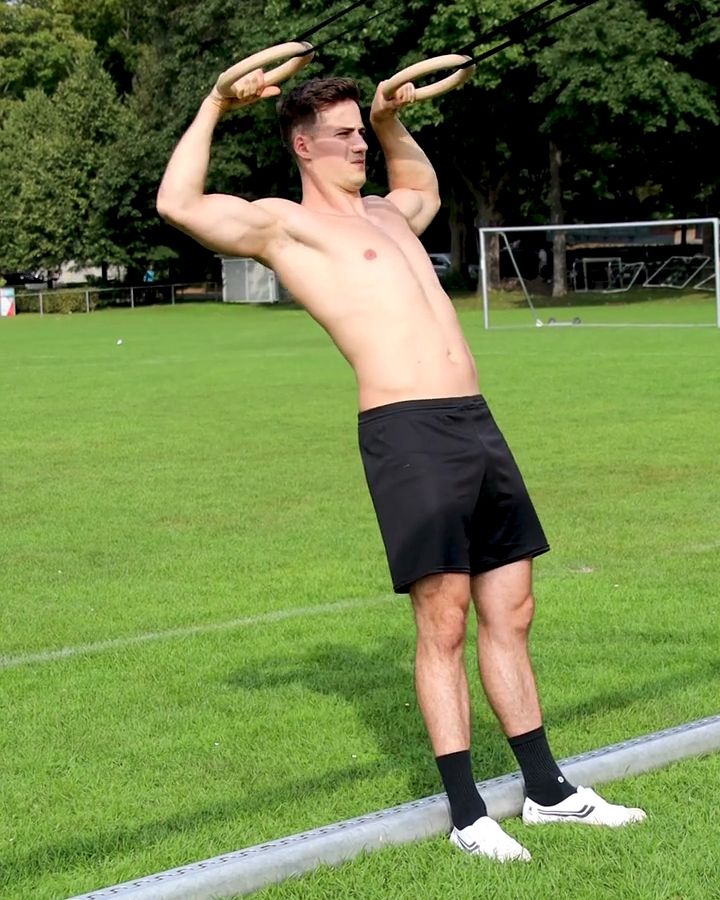
Face pulls on the gym rings are an excellent exercise for the upper back and back shoulder. Above all, they strengthen the middle and lower trapezoid muscles as well as the outer rotators, which ensures a stable shoulder and an upright posture.
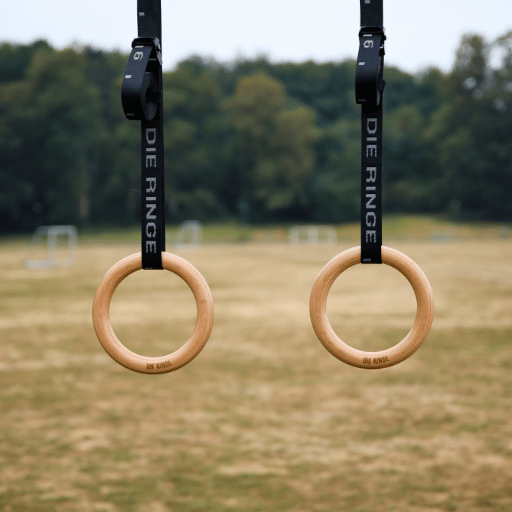
Necessary equipment
Correct execution
- Start in the row position with extended arms
- Pull the rings next to the eyes
- Keep the shoulders low
- In the final position the wrists are higher then the shoulder
- Keep tension in core and glutes throughout
4. Single-legged deadlifts with weight
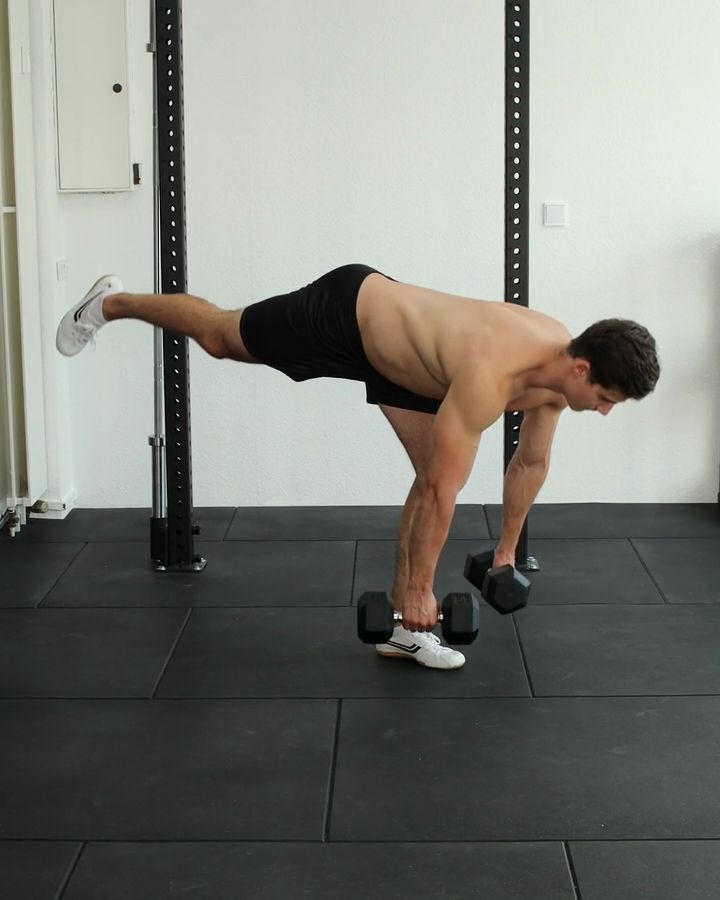
One-legged deadlift with weight specifically strengthens the rear muscle chain – especially the back, buttocks and leg flexors. Due to the one-sided load, the trunk stability is additionally trained, which improves posture and compensates for muscular imbalances. The exercise requires balance, strength and coordination and is ideal for a strong, stable back.
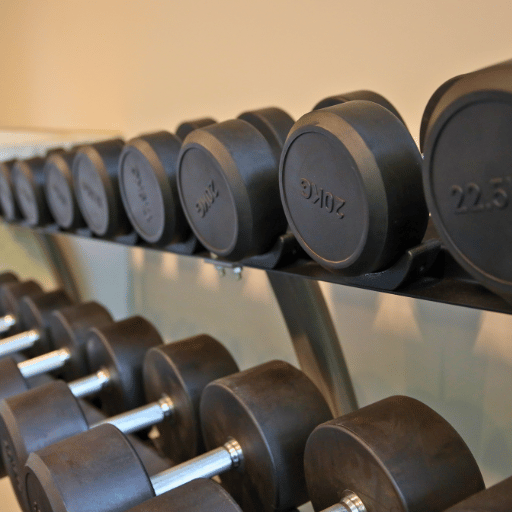
Necessary equipment
Correct execution
- Start in hip-width stance
- Hold the dumbbells in a neutral grip
- Bend your upper body upright forward
- Bring your right leg stretched backwards in extension of your upper body
- Bend your left knee slightly
- Hold tension in the torso throughout
- Bring the dumbbells to just above the floor
- The specified weight of the dumbbells refers to each individual dumbbell
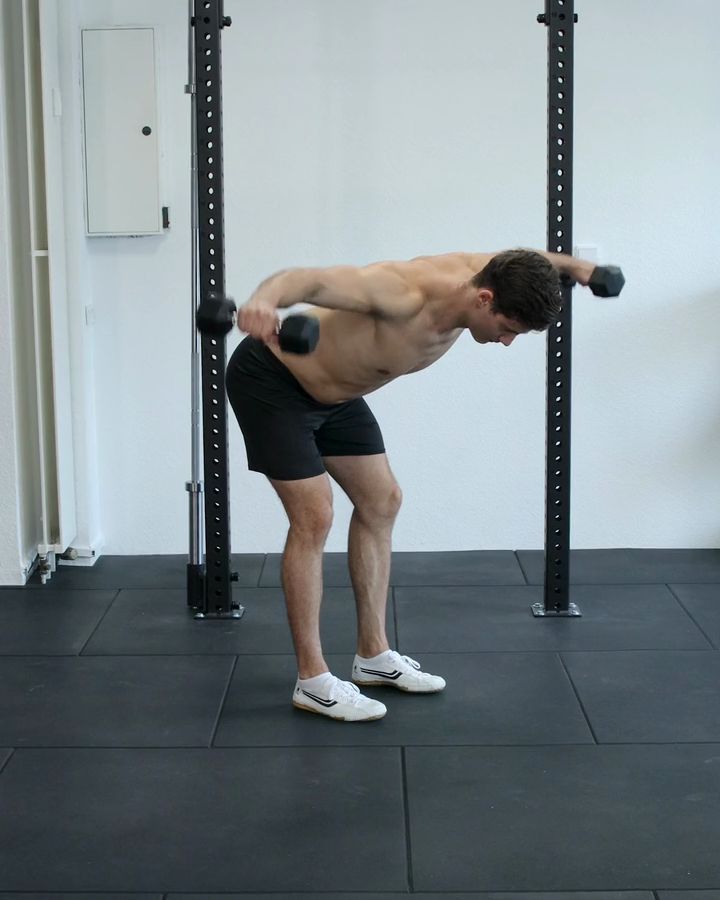
5. Butterfly Reverse
Butterfly reverse with dumbbells specifically strengthens the posterior shoulder and upper back. The exercise improves posture, compensates for muscular imbalances and supports stability in the shoulder joint. It is particularly important as a compensation for pressing movements and helps to prevent shoulder discomfort.
Necessary equipment
Correct execution
- Start in hip-width stance
- Bend your hips until your upper body is horizontal to the floor
- Make sure your spine is straight
- Knees are slightly bent
- Move the dumbbells sideways towards the ceiling
- Arms are 90 degrees apart from the body
- Arms remain straight
- Lift the dumbbells as high as possible
- The training weight for this exercise is the weight of a single dumbbell. Therefore, train with two dumbbells that weigh the indicated weight
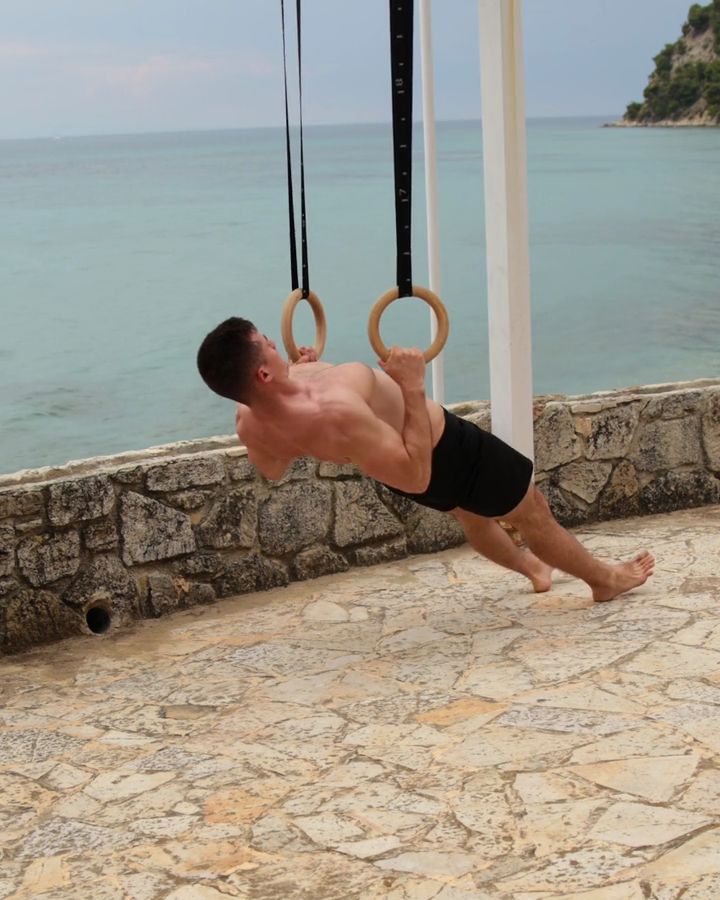
6. Rowing
Rowing is an effective exercise for the back, posterior shoulder and biceps. It helps to develop a strong traction force and is an essential complement to push-up movements such as push-ups.
Necessary equipment
Correct execution
- Start in a low rowing position
- Take the shoulder blades back down
- Pull the rings to the chest
- Extend the arms and go back to the starting position
- Hold permanently tension in hull and buttocks
- Make sure your shoulders do not roll forward
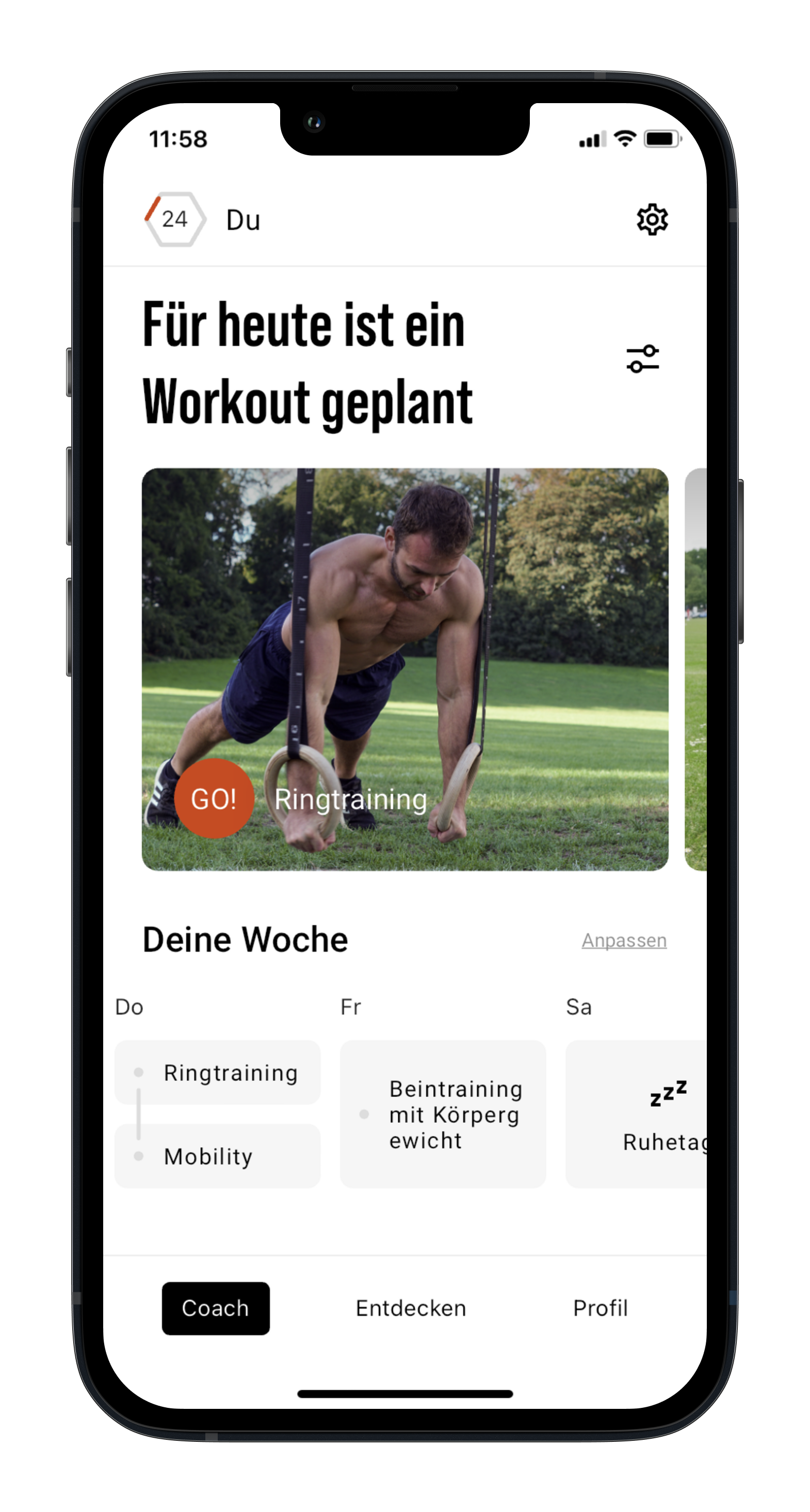
DIE RINGE App: Strength training, developed by sports scientists, optimized by smart algorithms – for your best workout.
Over 1000 five-star reviews on App Store and Google Play.


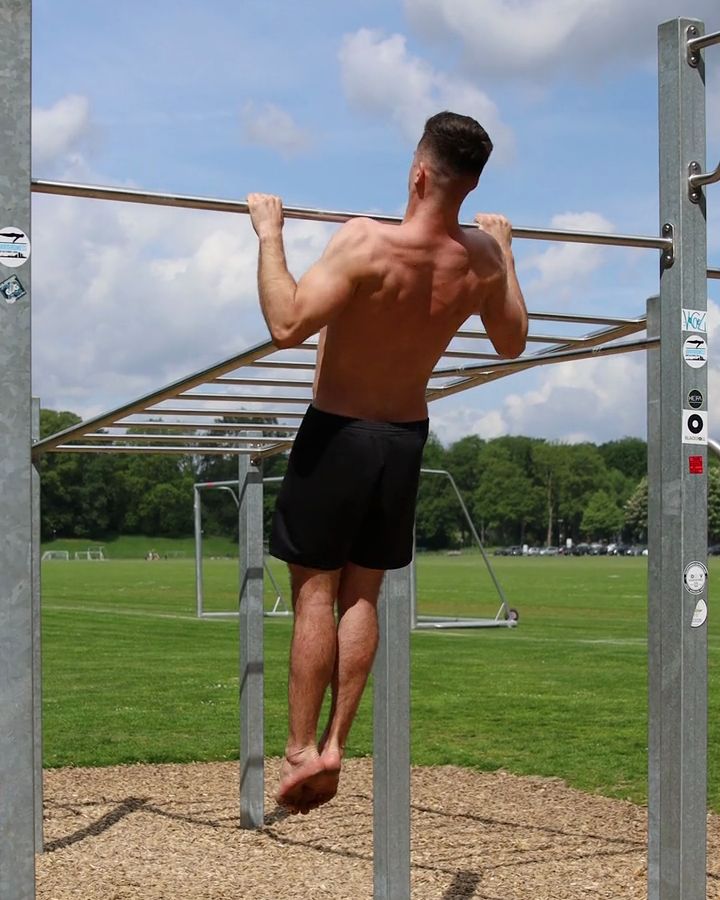
7. Pull-ups
Hardly any other exercise improves your upper body strength as effectively as pull-ups. They demand both technique and strength and are one of the most important exercises in outdoor training.
Necessary equipment
Correct execution
- Start in the hang position with arms extended
- Grap the bar in a pronated grip so that the fingers points away from your body
- Your grip width is at least shoulder width
- Pull your shoulder blades down backwards at the beginning
- Bend your arms and pull the bar towards your chest
- Try to pull yourself up as high as possible, at least with your head above the bar
- Lower yourself slowly and controlled back into the hang
- Work in the largest possible range of motion
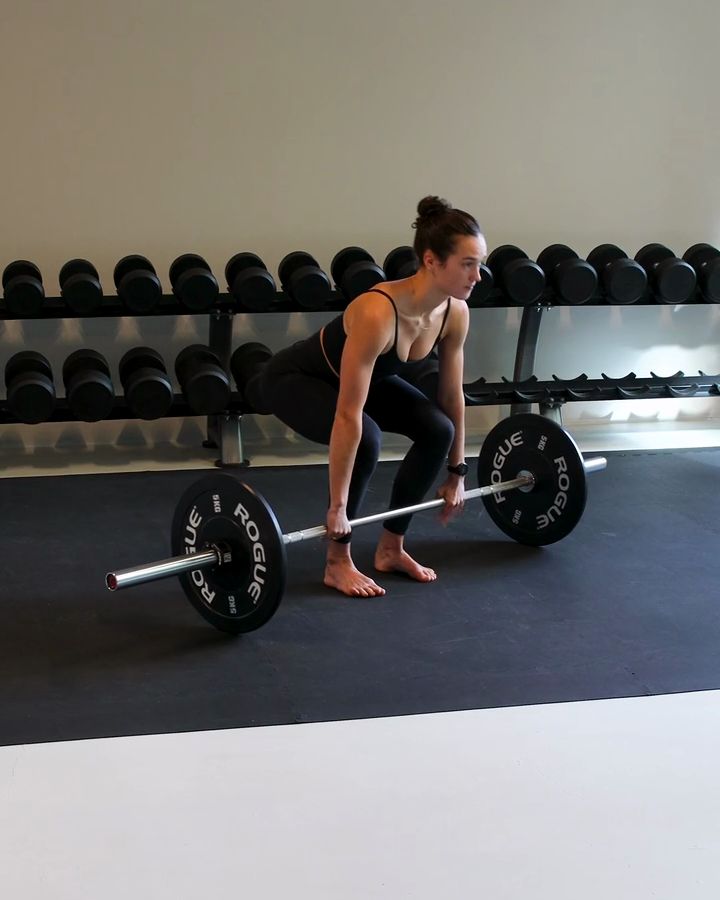
8. Deadlifts
Deadlifts are a full-body exercise that especially strengthens the lower back, buttocks and posterior thigh muscles. It promotes functional strength, torso stability and healthy posture. The controlled lifting movement also improves the gripping force.
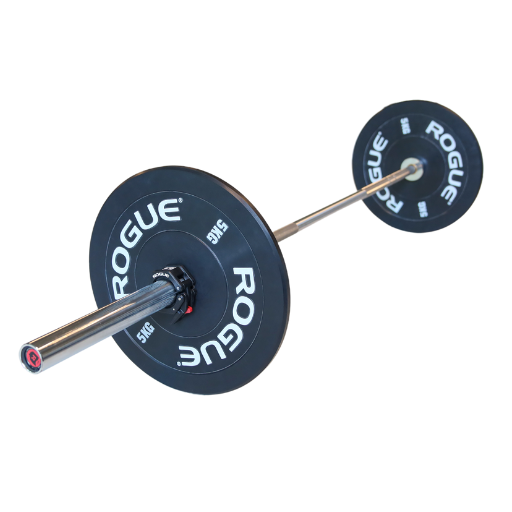
Necessary equipment
Correct execution
- Start in hip-width stance
- Screw your feet into the floor so that your knees face outward
- Keep the shoulder blades down at the back (retraction, depression)
- Bend your hips with maximum tension in torso and buttocks
- Grab the barbell at least shoulder-width apart
- Distribute your body weight over the whole foot
- Lean back a little so that your shins are as vertical as possible.
- Build up maximum tension in torso, back of legs and buttocks
- Extend your legs and hips at the same time and lift the barbell upwards.
- The spine remains upright
- When legs and hips are maximally extended, lower the barbell back to the floor in the same way.
- The training weight for this exercise is the sum of the barbell's own weight and the additional weight plates
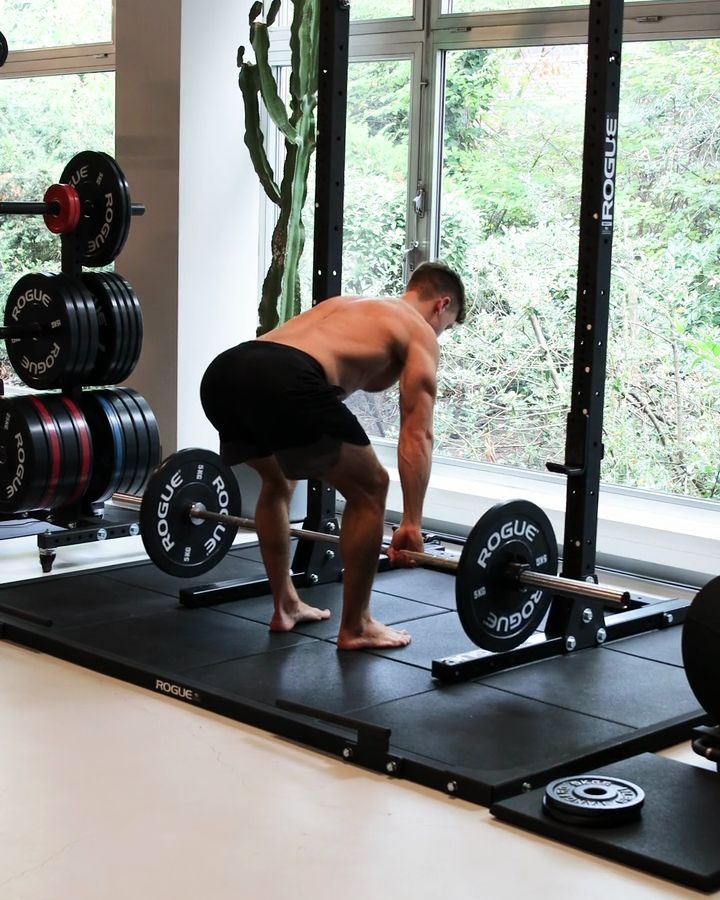
9. Romanian deadlift
The Romanian deadlift focuses more on stretching and strengthening the posterior thighs and buttocks. Compared to the classic deadlift, the squat remains minimal, which makes the posterior muscle chain work more intensively. Ideal for more mobility and targeted muscle building.
Necessary equipment
Correct execution
- Start in hip-width stance
- Grip the barbell shoulder width apart
- Lift the barbell out of the bar under torso and gluteal tension and take one step backward
- Screw your feet into the floor so that your knees face outward
- Keep the shoulder blades down at the back (retraction, depression)
- Bend your hips under maximum tension in torso and buttocks
- Bring the barbell down to the floor as close to the body as possible
- Keep your upper body upright and your knees only slightly bent
- The head remains in a neutral position throughout the exercise
- Then pull the weight up again
- Keep the barbell close to the body during the pull up as well.
- The training weight for this exercise is the sum of the barbell's own weight and the additional weight plates
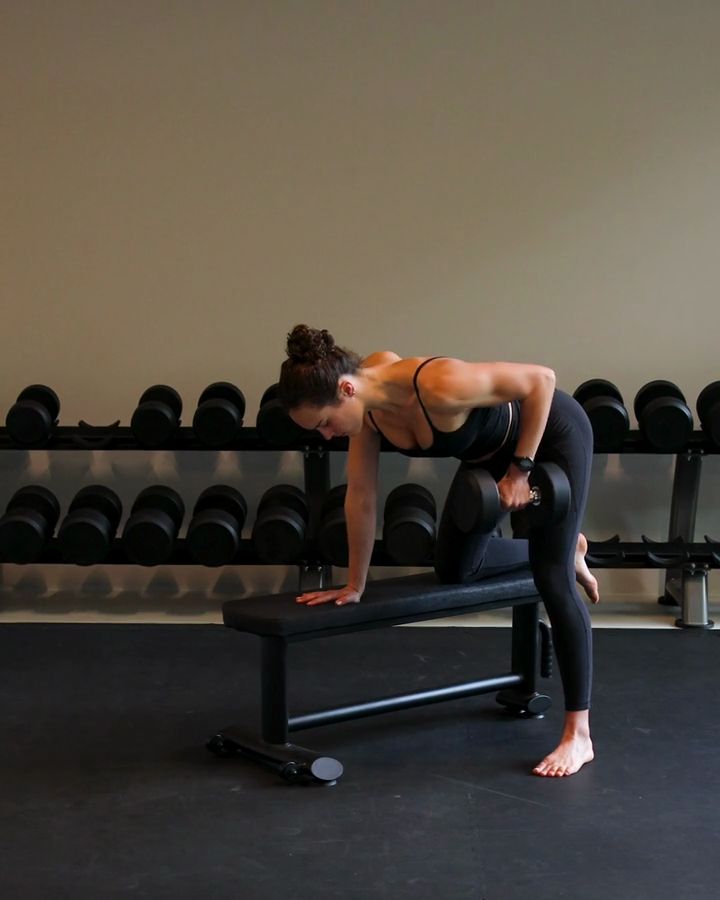
10. Single-armed rowing
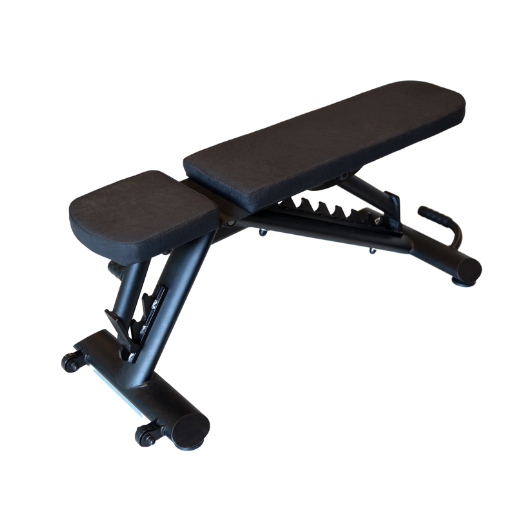
Single-armed rowing with dumbbells on the bench is an effective exercise for the upper back, especially the latissimus and middle back area. The one-sided load also activates the fuselage and core. The bench ensures stability, so you can concentrate fully on the clean pulling movement... ideal for muscle building.
Necessary equipment
Correct execution
- Place your right hand and right knee on a flat bench
- Your left leg is extended on the floor
- Grab the dumbbell with your left arm
- Pull the dumbbell next to your belly
- Lower the dumbbell back in a controlled manner until your arm is extended
- Make sure your back is straight throughout
- Keep both shoulders low during the exercise (depression)
More exercises to strengthen and build back muscles – at home and without any devices
If you want to create a solid basis for your training, we recommend our Free training plans.
11. Good Mornings
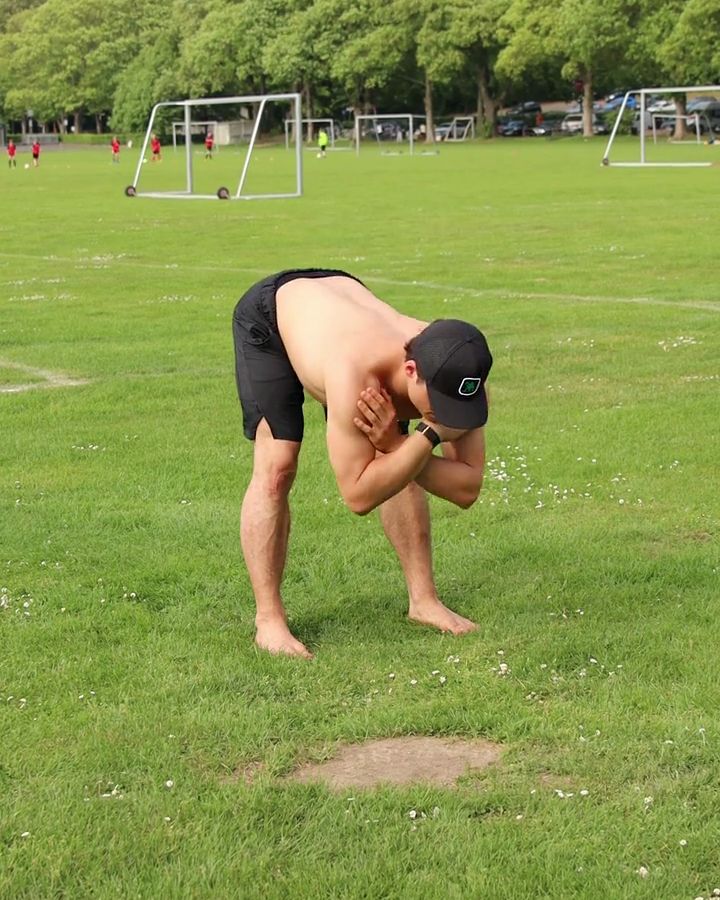
Good Mornings without weight are ideal for improving hip mobility and specifically activating the posterior muscle chain – especially back stretchers, buttocks and leg flexors. The exercise trains body control and a stable torso posture, which can prevent injury and create the basis for more complex exercises.
Correct execution
- Start in a shoulder-width stance
- Legs are maximally extended
- Cross your arms in front of your chest
- Tilt your hips and bend your upper body forward
- Keep your spine upright
- Push your buttocks back while bending forward
- Go only as far as you can keep your spine in line
12. Floaters
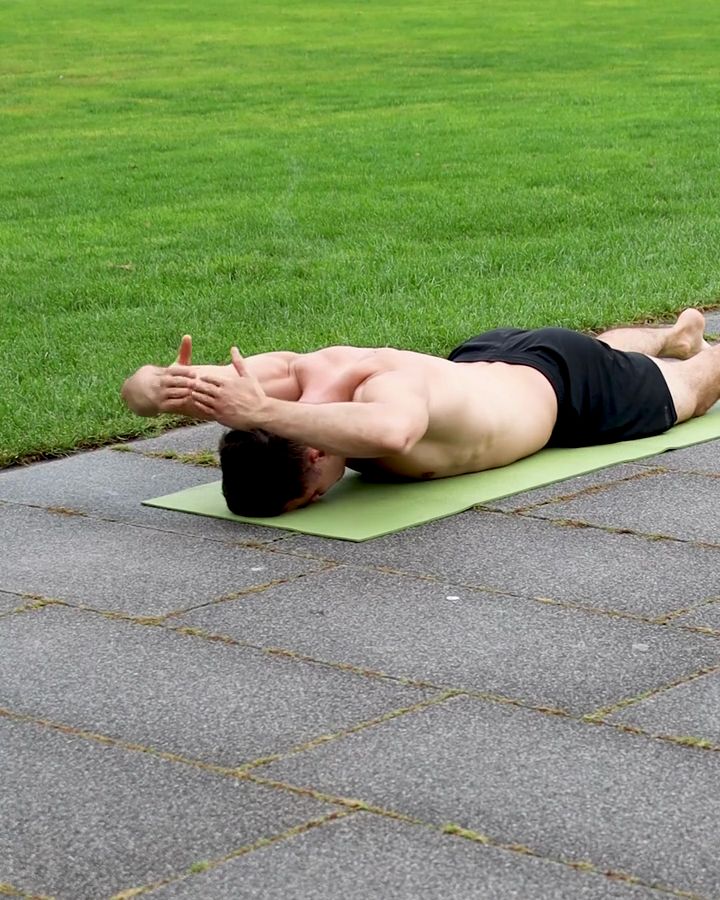
The swimmer in abdominal position is an effective exercise for the upper back. Through the controlled lifting of the upper body and arms as well as the return of the hands via the lower back, the shoulder blade muscles and the trapezoid muscle are activated.
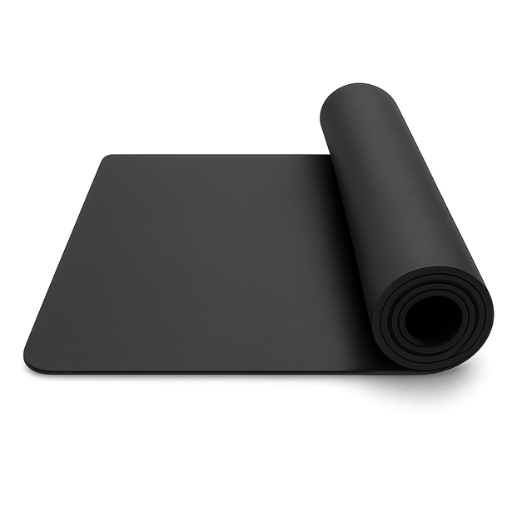
Necessary equipment
Correct execution
- start in proneposition
- Forehead rests on the floor
- Arms are crossed behind the back
- Pull shoulder blades back down
- Raise the hands above the back as far from the floor as possible
- Stretch the arms and bring the arms to the head
- Bend elbows when arms are maximally extended forward
- Perform the movement back to the starting position
- Try to move the hands maximally away from the floor throughout the movement
- Work in your maximum range of motion
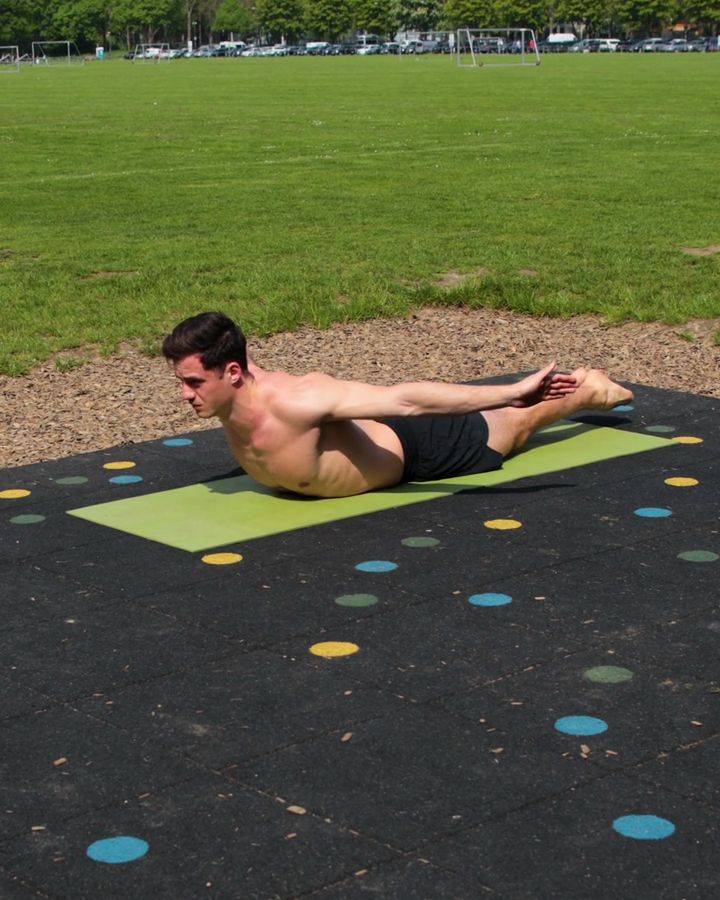
13. Superman
The Superman is a simple but effective exercise for strengthening the back. By simultaneously lifting the arms and legs in the abdominal position, the back stretchers and the buttocks are activated.
Necessary equipment
Correct execution
- Start lying on your abs
- lace your arms on the floor next to your body with the back of your hands facing downward
- Lift your chest as far off the floor as possible
- Rotate your arms outward so that in the final position your palms face downward and forward
- Actively pull your shoulder blades together
- Slowly lower your torso back toward the floor
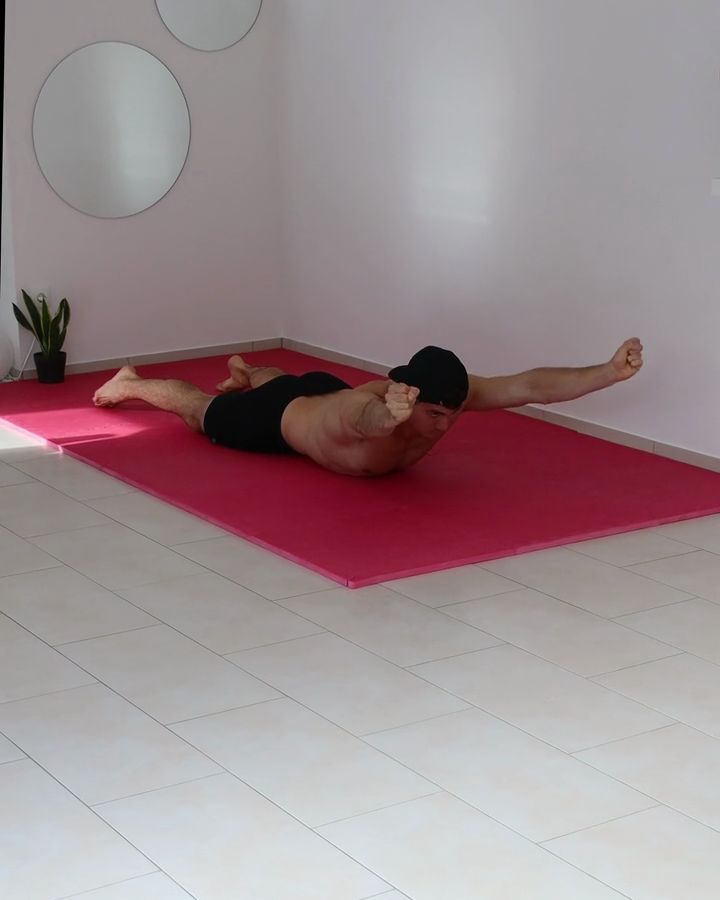
14. Superman Rocks
Superman Rocks are a variant of the classic Superman, in which only the upper body is raised. The focus is on the back stretchers of the upper back and the shoulder blade muscles.
Necessary equipment
Correct execution
- Start lying on your stomach
- Stretch your arms next to your head in extension of your body
- Now lift your chest as far as possible from the floor
- Arms remain stretched at the same time

15. Boat Lift
Boat lifts in abdominal position are a dynamic exercise for strengthening the lower back and center of the body. An arm and the opposite leg are alternately raised. The diagonal movement promotes coordination, torso stability and specifically activates the back stretchers as well as buttocks and shoulder muscles.
Necessary equipment
Correct execution
- Start lying on abs with arms in extension of body
- Lift alternately one arm and the opposite leg off the floor
- Lift arm and leg as far as possible from the floor
- Slowly return to starting position
- Change sides after each repetition
- Each side counts as one repetition
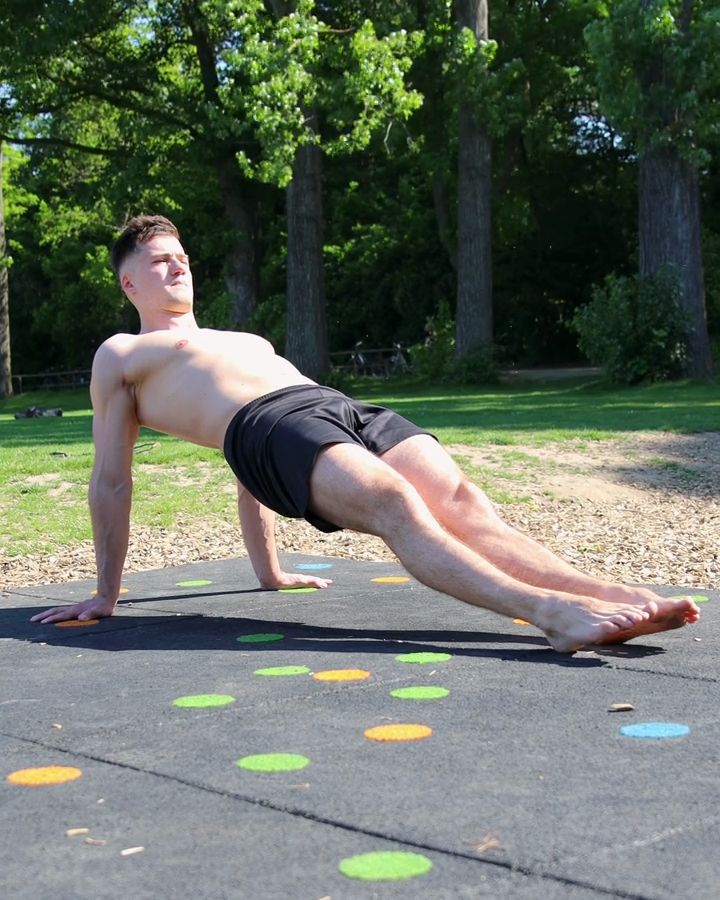
16. Push-up back support
The push-ups back is an effective exercise for the triceps, the posterior shoulder and upper back.
Correct execution
- Your body forms a straight line
- Fingers point outward
- Push your chest up
- Arms and hips are maximally stretched
- Keep tension in the buttocks
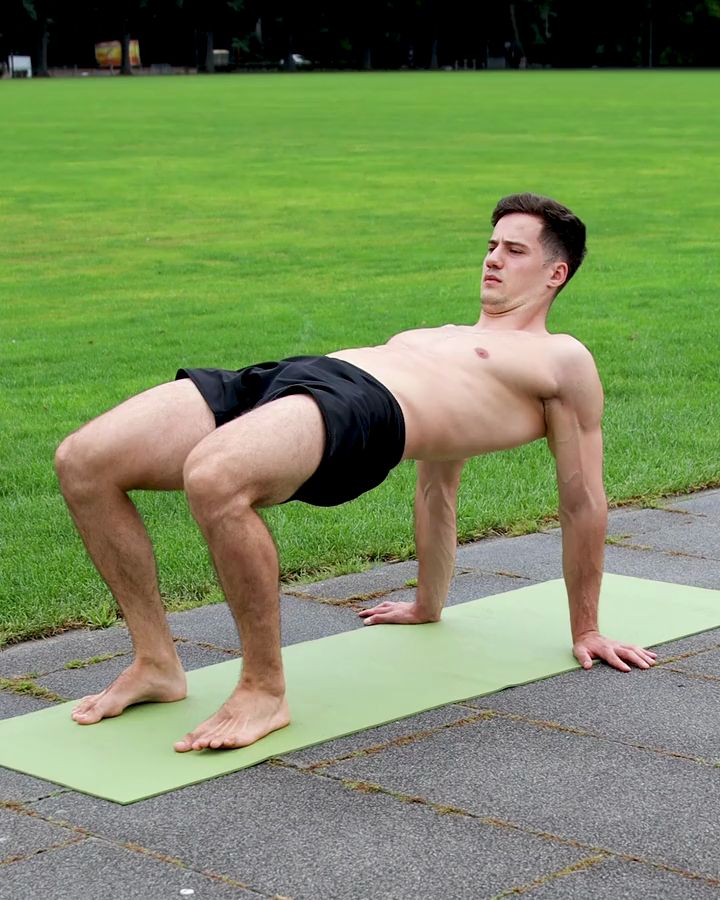
17. Table Rocks
Table Rocks are a dynamic exercise for activating the shoulder belt, buttocks and lower back. From the table position, you lower the buttocks in a controlled manner towards the floor and then stretch the hip back up powerfully. This movement improves shoulder mobility and strengthens the rear chain.
Correct execution
- Start in a sitting position
- Place hands and feet on the floor
- take your shoulders above your hands
- Extend your hips to the maximum and build tension in your buttocks
- Lower your buttocks back towards the floor
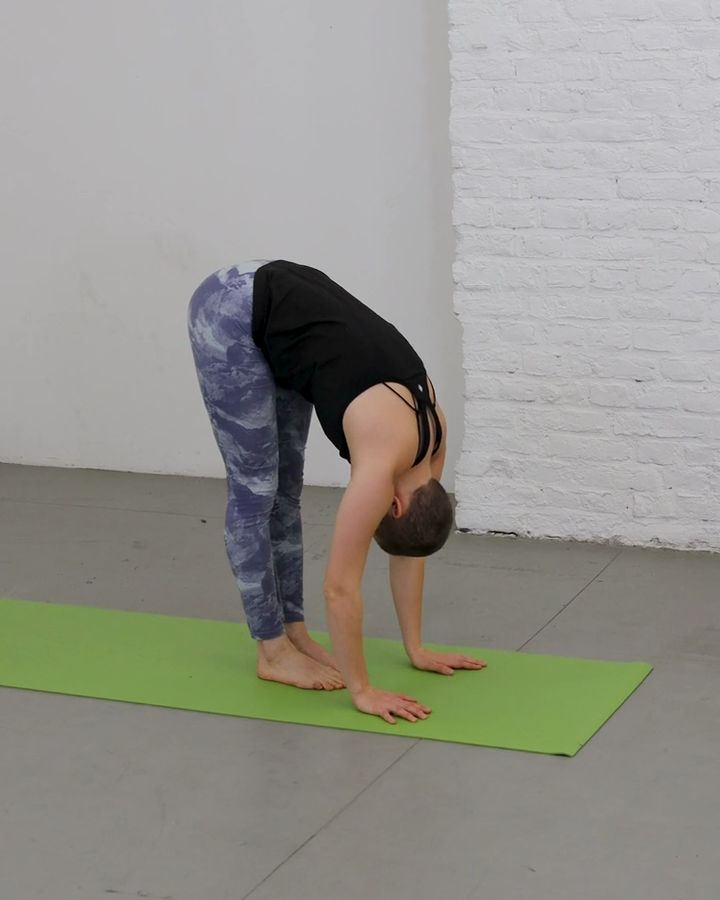
18. Jefferson Curls
Jefferson curls without weight are an effective exercise for mobilizing and strengthening the spine. The slow, controlled curling of the vertebrae stretches the back muscles and activates them at the same time. The exercise promotes mobility, body feeling and helps to release tension in the lower back. Alternatively, you can also perform this exercise with weight.
Correct execution
- Start in a hip-width stance
- Actively hold tension in core and glutes
- Bend forward one vertebra after another
- Start with the cervical spine
- Go as deep as possible
- Straighten up in a controlled manner, vertebra by vertebra
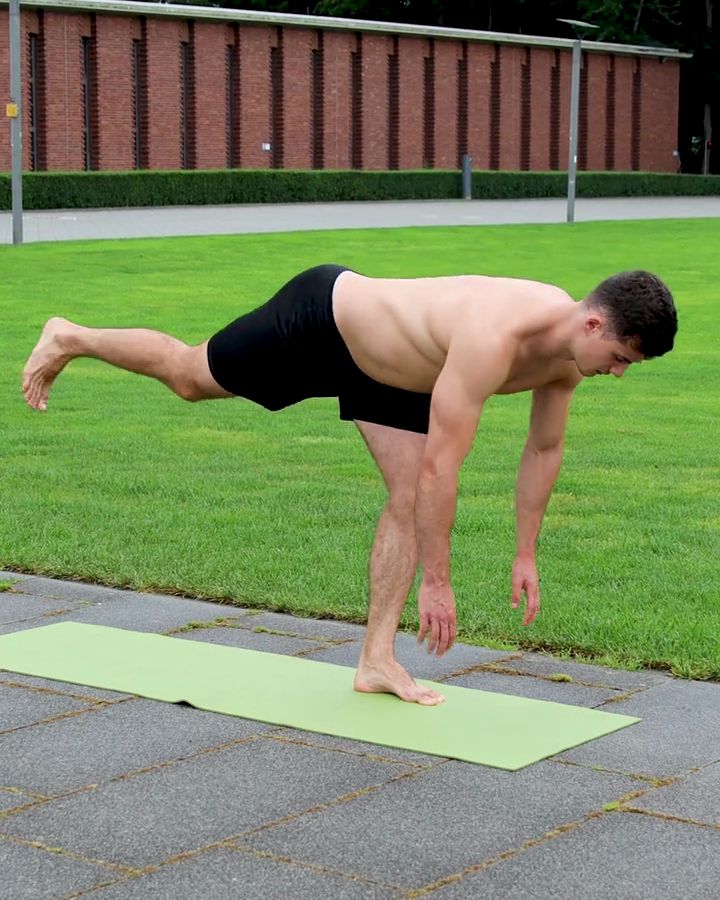
19 Single-legged deadlifts
One-legged deadlift without weight is an excellent exercise for the lower back, hip and posterior thigh muscles. It improves balance, stability and body control. At the same time, the deep back muscles are activated, which contributes to better posture and back health.
Correct execution
- Begin in an upright standing position on your left leg
- Bend your upper body forward while extending your right leg straight back in line with your torso
- Slightly bend your standing leg at the knee to ensure stability
- Maintain tension in your core throughout the movement to keep your back straight
- Try to touch the ground with your hands without rounding your back
- Keep your hips parallel to the ground
- Return to the upright standing position in a controlled manner
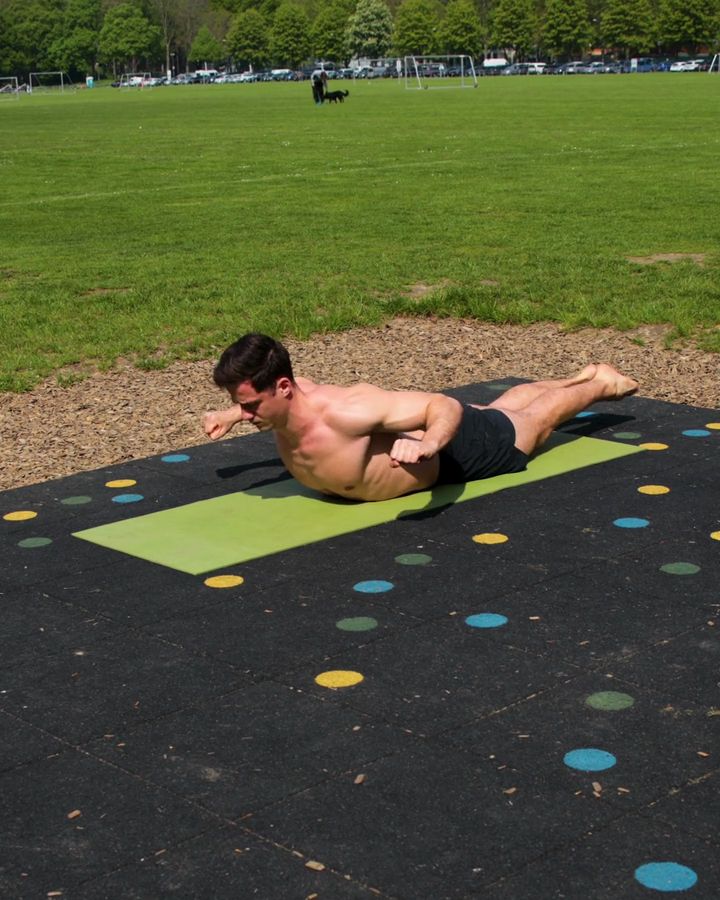
20. Reclining pull-ups
In this exercise, you lie on your stomach, for example on a mat or soft support. Tighten the upper body and pull the arms backwards in a pull-up motion as if you were pulling on a rod. Ideal for strengthening the back and shoulders – without any devices! A great alternative if you can not do climbing moves.
Necessary equipment
Correct execution
- Start lying on the abs
- Keep the arms in the air in extension of the body
- Simulate a pull-up by flexing the arms
- Lift your chest as far as possible from the floor
- Actively pull the shoulder blades together
- Then stretch the arms and return to the starting position
Common Back Training Mistakes – and How to Avoid Them
The biggest mistake in back training is not training your back. Whoever spares him permanently weakens him. Load capacity arises only through loading. This is precisely why the back muscles must be strengthened in a targeted manner.
Another misunderstanding: The focus is too often on “perfect technique”, but without real training stimulus. Much more crucial than any detail of execution is a continuous increase in load. Because who trains too easily, stops. Whoever increases meaningfully, automatically improves his technique, because the body adapts.
Progressive load increase means:
- More repetitions
- more sentences
- Longer holding times
- More complex variants
Your back is getting stronger step by step. A meaningful and targeted training plan is the key to success. Even 2–3 units per week are sufficient to effectively strengthen and build up the back muscles.
Your training plan for a strong back muscles👇
DIE RINGE App: Strengthen your back step by step with meaningful plans that adapt to your progress.
With over 700 exercises, it is ensured that the right progression is always found for you:
Strength training, developed by sports scientists, optimized by smart algorithms – for your best workout.
Always motivated
With the DIE RINGE App, it is easy to make your training a habit – thanks to encouraging features and structured training planning.
Personalized training plan
DIE RINGE combines technique and sports science and adapts your training so that you train at exactly the right level and at the right pace.
Communicate with real people
Just shake the app and give feedback to the DIE RINGE team. They are constantly improving the app and can help you in your training.
Developed by Sports Scientists
By combining research-based training methods and effective exercises, DIE RINGE creates training plans that help you successfully build strength and muscle.
Always motivated
With the DIE RINGE App, it is easy to make your training a habit – thanks to encouraging features and structured training planning.
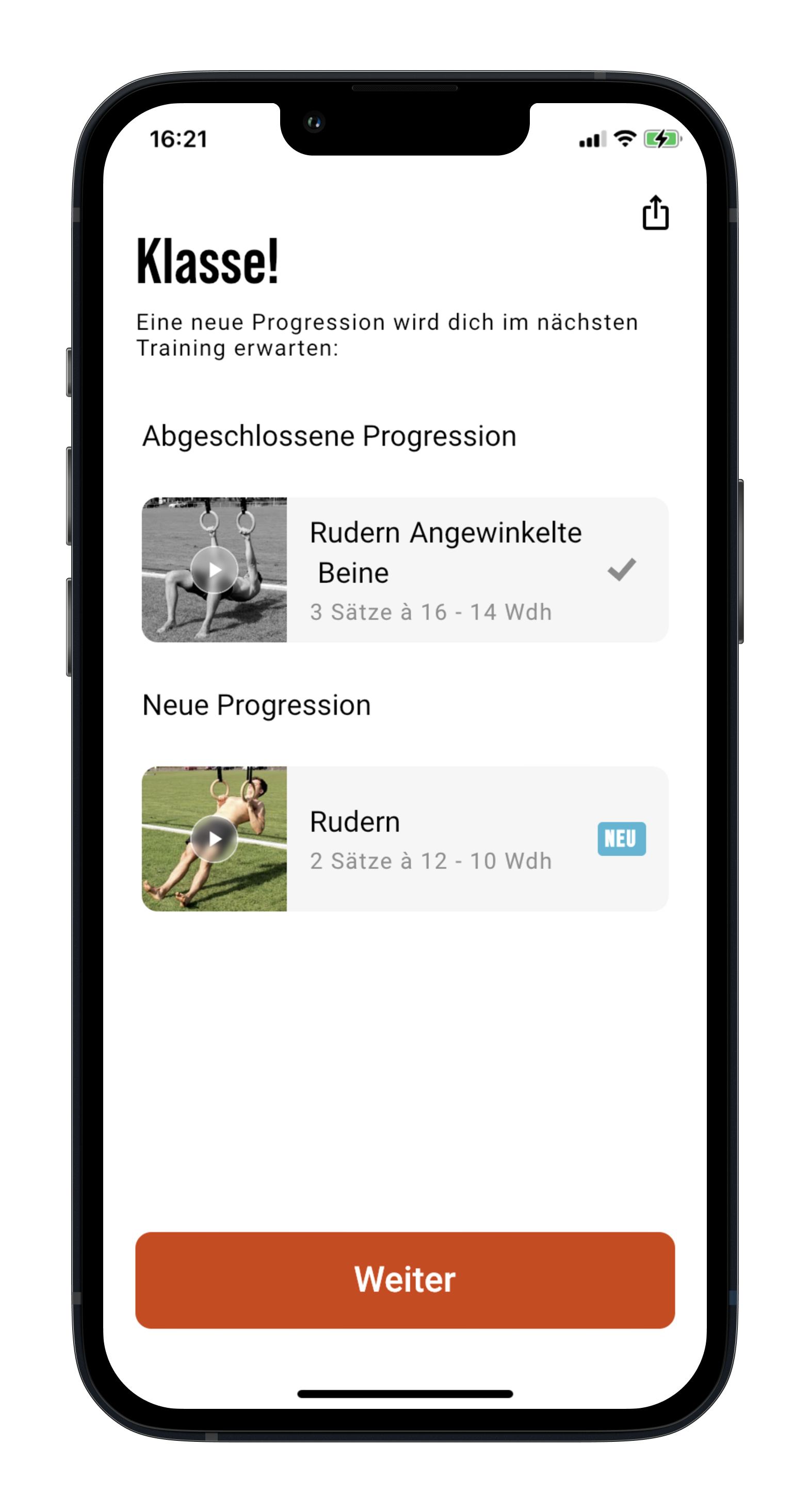
Personalized training plan
DIE RINGE combines technique and sports science and adapts your training so that you train at exactly the right level and at the right pace.
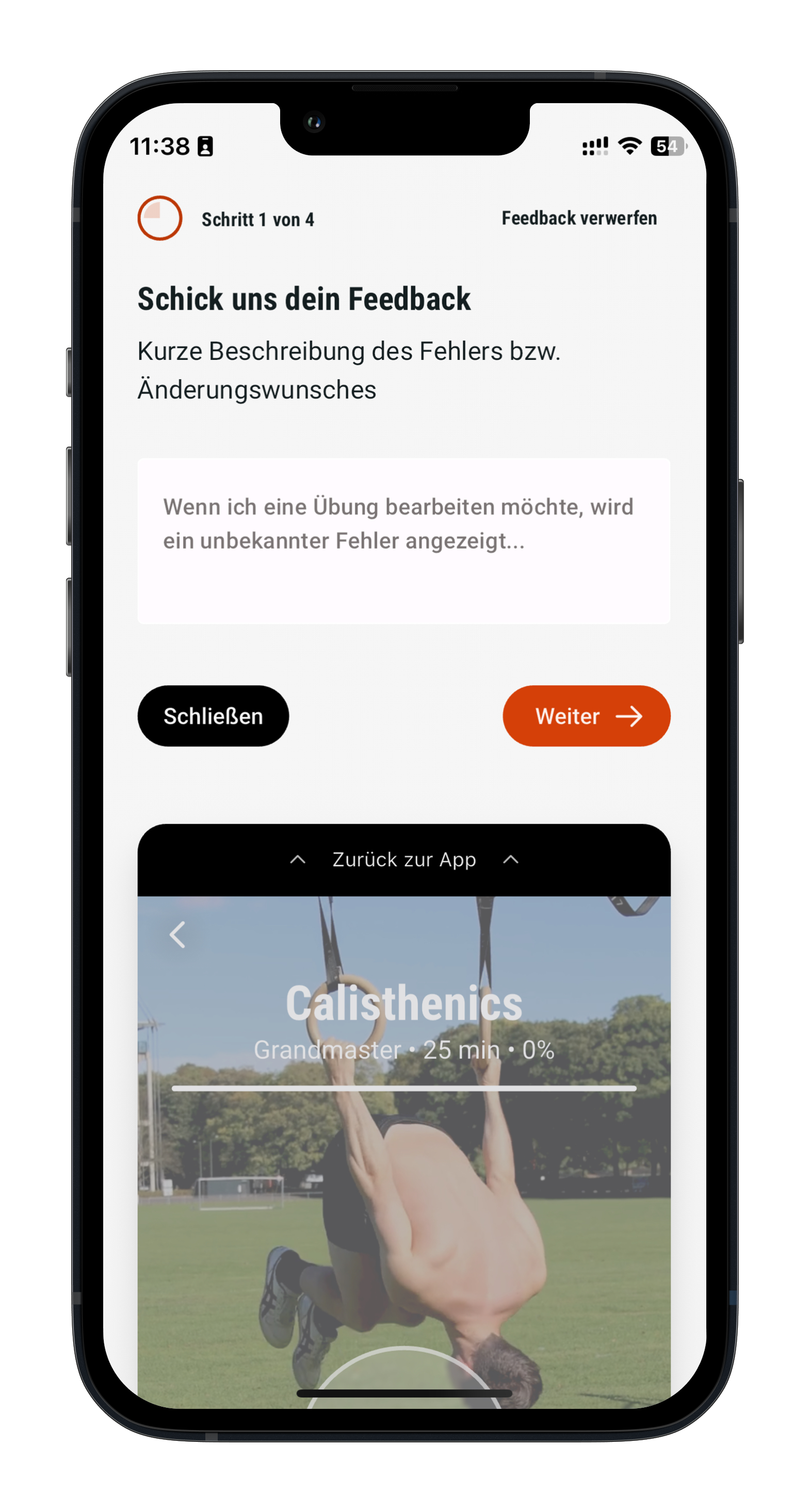
Communicate with real people
Just shake the app and give feedback to the DIE RINGE team. They are constantly improving the app and can help you in your training.
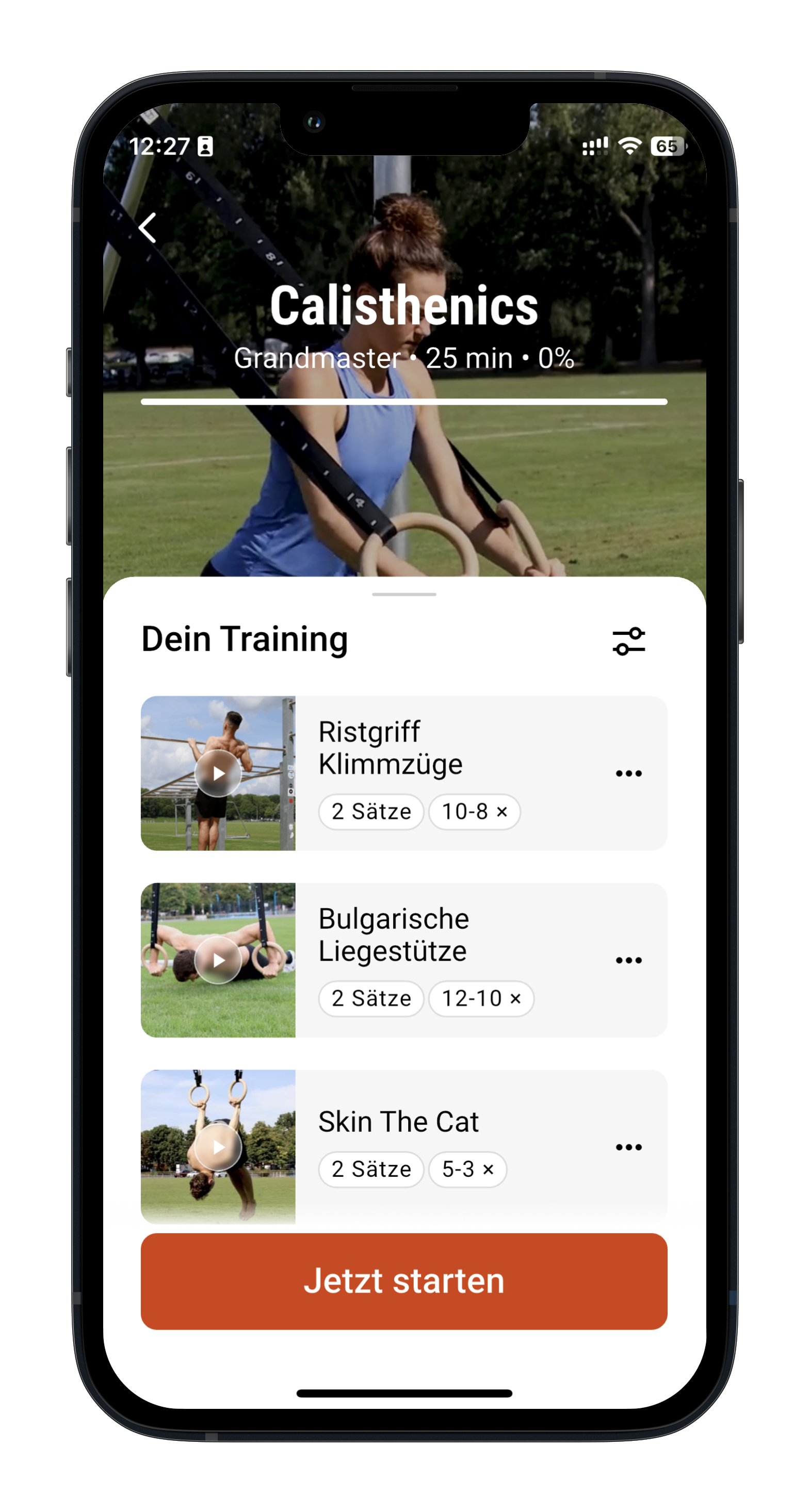
Developed by Sports Scientists
By combining research-based training methods and effective exercises, DIE RINGE creates training plans that help you successfully build strength and muscle.